
 By Admin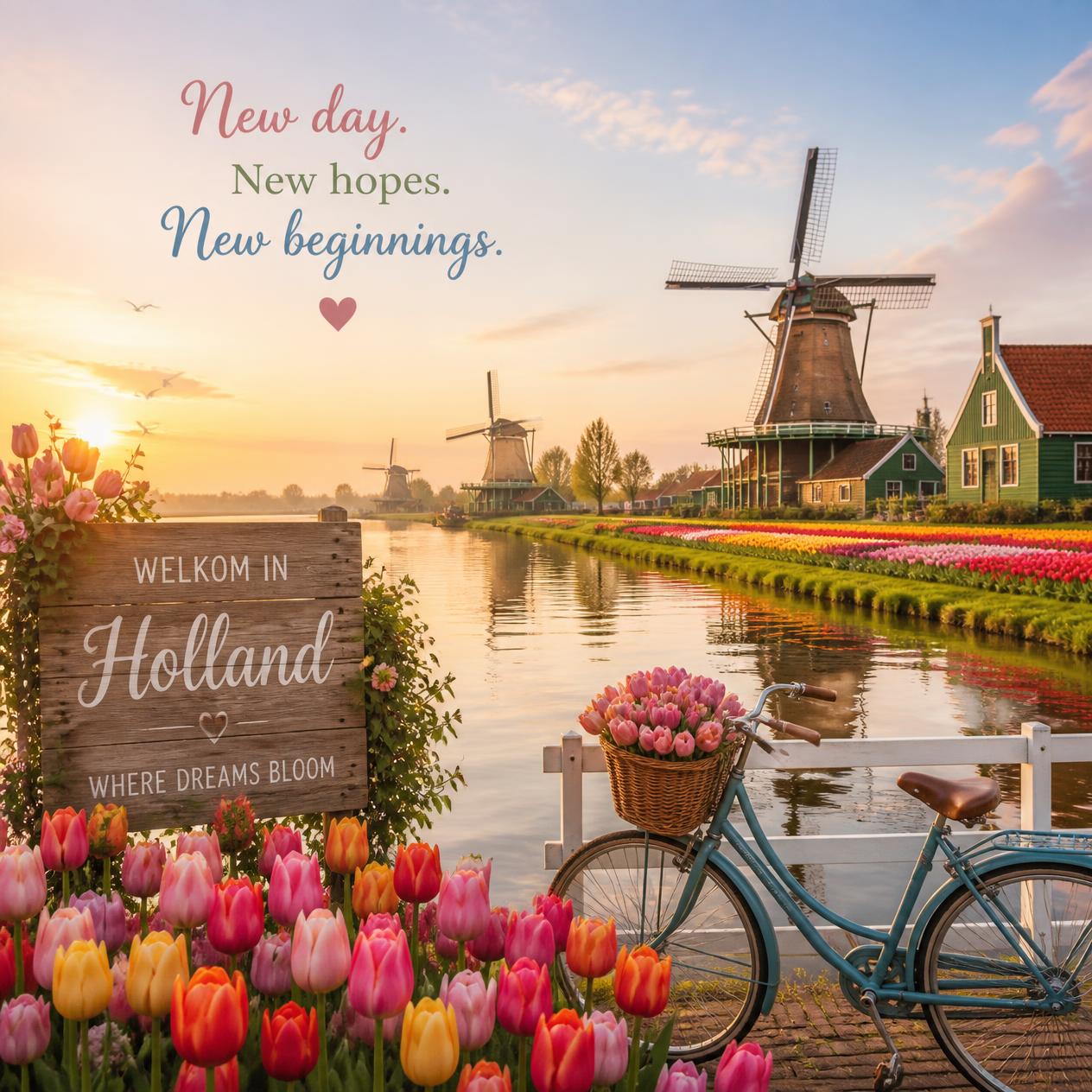
When you are planning a dream vacation to Italy, you spend months—maybe even years—imagining every detail. You study guidebooks, learn a few phrases in Italian, and picture yourself standing before the Colosseum or gliding through the canals of Venice. The anticipation builds, and the day finally arrives.
Then the plane lands, and the flight attendant announces, “Welcome to Holland.”
This is the opening of one of the most widely shared and deeply moving pieces ever written for parents raising children with disabilities. Welcome to Holland by Emily Perl Kingsley has become an essential resource for families navigating the unexpected journey of special needs parenting since its publication in 1987.
In this comprehensive guide, we will explore the full poem, unpack its profound meaning, examine its impact, and provide practical resources—including where to find a welcome to holland poem pdf for free download.
What Is the Welcome to Holland Poem?
The Author Behind the Words
Emily Perl Kingsley is an American author, writer, and disability rights advocate. She is best known for her work introducing disability representation to Sesame Street, a mission inspired by her personal experience. Her son, Jason Kingsley, was born in 1974 with Down syndrome.
When Jason was born, doctors told Kingsley that her son would never walk, speak, or live a meaningful life. They advised her to put him in an institution and “act as if the birth hadn’t happened”. Distraught but determined, Kingsley and her husband rejected this advice. They fought to provide Jason with the most intellectually stimulating environment possible, and Jason went on to become an actor who appeared on programs such as Sesame Street and enjoyed a varied career.
Kingsley wrote Welcome to Holland to help others understand what it was like to raise a child with a disability—a unique experience she felt was difficult for outsiders to grasp.
The Full Poem Text
By Emily Perl Kingsley ©1987
What It Feels Like
I am often asked to describe the experience of raising a child with a disability—to try to help people who have not shared that unique experience to understand it, to imagine how it would feel. It’s like this……
The Trip Plan: Italy
When you’re going to have a baby, it’s like planning a fabulous vacation trip—to Italy. You buy a bunch of guide books and make your wonderful plans. The Coliseum. The Michelangelo David. The gondolas in Venice. You may learn some handy phrases in Italian. It’s all very exciting.
The Surprise Landing: “Welcome to Holland”
After months of eager anticipation, the day finally arrives. You pack your bags and off you go. Several hours later, the plane lands. The flight
Why the Welcome to Holland Poem Matters
A Lifeline for New Parents
Since its publication, Welcome to Holland has been given to countless new parents of children with special needs by doctors, support groups, friends, and family members. It has become a cultural touchstone within the disability community—a form of “initiation ritual” that helps families transition into a new phase of life.
One mother shared: “From day one, it had a very profound effect on me. I read it daily for at least the first year of [my child’s] life, and it served as my own personal support message as we learned about his disability”.
Acknowledging Grief Without Getting Stuck
The poem’s power lies in its honest acknowledgment of loss. Kingsley does not sugarcoat the pain. She writes that the loss of the dream of a “typical” parenting experience will “never, ever, ever, ever go away”. This validation of grief is crucial because it allows parents to feel seen and understood rather than pressured to be positive before they are ready.
At the same time, the poem gently guides readers toward acceptance. It says that while mourning is natural and necessary, dwelling on the loss of “Italy” can prevent you from appreciating the unique beauty of “Holland”.
Quick Summary Box:
Written in 1987 by Emily Perl Kingsley
Inspired by her son Jason, born with Down syndrome
Uses the metaphor of Italy vs. Holland to describe the unexpected journey of special needs parenting
Validates grief while encouraging acceptance
Widely shared in the disability community as a source of comfort and perspective
Key Features of the Poem
The Italy vs. Holland Metaphor
The central metaphor of Welcome to Holland is simple yet profound. The “trip to Italy” represents the parenting experience that most people expect—raising a typically developing child. The “trip to Holland” represents the reality of raising a child with a disability. Both are beautiful in their own ways, but they are very different.
| Element | Italy | Holland |
|---|---|---|
| Expectation | The dream destination | An unexpected detour |
| Experience | What everyone else seems to be doing | A unique journey |
| Pace | Fast-paced, flashy | Slower-paced, less flashy |
| Beauty | The Colosseum, Michelangelo’s David | Windmills, tulips, Rembrandts |
| Challenge | None (in the metaphor) | Learning a new language, buying new guidebooks |
| Community | The crowd you expected | A new group of people you would never have met |
Structure and Form
The essay is written in an informal, conversational style that makes it accessible and relatable. It is composed of short paragraphs—some only two or three lines long—which allows Kingsley to make quick, powerful points. The short structure almost reads like bullet points, which may be why it is so frequently printed and shared as a “poem.”
Use of Second Person
Kingsley writes in the second person (“you”), which invites the reader to step into her shoes and imagine the experience themselves. This narrative choice is central to the poem’s purpose: to help people who have not shared that unique experience understand it.
Benefits of Sharing the Welcome to Holland Poem
For Parents of Children with Disabilities
The poem offers several therapeutic benefits:
-
Validation of grief – It acknowledges that the loss of a dream is significant and real.
-
Reduction of isolation – It reminds parents they are not alone in their experience.
-
Permission to hope – It shows that Holland, while different, has its own kind of beauty.
-
Community connection – The poem is often shared as part of an initiation ritual into the special needs community, connecting new parents with experienced ones.
-
Perspective – It helps parents focus on their child’s unique gifts rather than comparing them to others.
For Friends and Family
The poem is equally valuable for loved ones who want to support a family raising a child with a disability. It provides:
-
A window into the emotional experience of special needs parents
-
An understanding of why they might feel grief even as they love their child deeply
-
A vocabulary for offering comfort without minimizing the family’s experience
Step-by-Step Guide: How to Use the Welcome to Holland Poem
Step 1: Read the Full Text
Start by reading the complete poem. You can find it on Emily Perl Kingsley’s official website at emilyperlkingsley.com or download a welcome to holland poem pdf from various disability support organizations.
Step 2: Reflect on Its Meaning
Take time to sit with the metaphor. Ask yourself:
-
What “Italy” did I dream about?
-
What am I grieving?
-
What “tulips” or “windmills” might I be overlooking?
Step 3: Share with Your Support Network
Many parents find comfort in sharing the poem with their partner, family, or support group. It can be a helpful conversation starter about feelings that may be difficult to articulate.
Step 4: Print and Display
Consider printing the poem and framing it as a daily reminder. The welcome to holland poem print is widely used in homes of special needs families. You can find free printable versions on blogs and support websites.
Step 5: Join the Community
The act of receiving or sharing the poem is itself part of the special needs community’s folklore. By engaging with it, you are joining a tradition of mutual support and understanding.
Best Practices for Sharing the Poem
When you share Welcome to Holland with someone, consider these best practices:
-
Provide it gently – The poem can be emotionally powerful. Offer it as a source of comfort, not as a prescription for how someone should feel.
-
Pair it with practical support – The poem is meaningful, but parents also need practical help like meal trains, childcare, or information about resources.
-
Respect their timeline – Some parents may not be ready to hear a message of acceptance if they are still in the early stages of grief. Trust that the poem will be there when they are ready.
-
Acknowledge that not everyone loves it – As we will explore later, some parents find the poem doesn’t fully capture their experience. That’s okay too.
Common Mistakes to Avoid
1. Using the Poem to Minimize Grief
The poem validates grief, but some readers misunderstand it as saying “just be positive.” The line “the pain of that will never, ever, ever, ever go away” makes clear that grief is valid and lasting.
2. Assuming All Experiences Are the Same
Every disability is different, and every family’s experience is unique. The poem is a metaphor, not a one-size-fits-all description.
3. Forgetting to Cite the Author
Emily Perl Kingsley’s work is copyrighted ©1987, and she has granted permission for its use in specific contexts. Always credit her as the author.
Expert Tips: Making the Poem Work for You
From Keith Hammond, Easterseals Guest Blogger
Keith Hammond, a father of two children on the autism spectrum, offers this advice: “Comparison is the thief of joy. Comparison steals the joy when your child accomplishes something positive, like a pickpocket grabs your wallet or purse. It only keeps you from fully appreciating the special things your child has to offer”.
From a Dartmouth Folklore Archive Contributor
One mother who received the poem shortly after her son’s diagnosis said: “It helped to know this is normal, and that this grief can be reactivated throughout your lifespan. You don’t want to dwell excessively on these things, but some acknowledgement that it hurts a little isn’t such a bad thing, particularly if it helps you move on”.
Real-World Examples
Example 1: A Mother’s Daily Comfort
A mother of a child with Down syndrome wrote: “I read it daily for at least the first year of [my child’s] life. We think [he] is funny, cute as a button, mischievous as all get out, totally awesome, and of course, lights up a room like a huge vase of tulips!”
Example 2: A Dad’s Reflection on Autism
Keith Hammond shared that someone gave him the poem early on when his children were diagnosed with autism. He said: “The learning of the poem is that if you just give Holland a chance, it’s a pretty neat place. They have tulips, they have windmills, and all sorts of fine and unique things that make Holland a special place. Likewise, your children have many unique characteristics and gifts that you can enjoy if you immerse yourself in them”.
Example 3: Acceptance Over Time
Another mother, whose son was diagnosed with autism, reflected: “Over the years, the acceptance came in. I thought, I had landed in Sahara desert. Yes, with my son’s autism I had and still have so many issues and many days can become depressing. But slowly, I started understanding and looking at the tulips and windmills in Holland. The poem started making sense”.
Perspectives on the Poem: What People Are Saying
Supporters’ Views
Many in the disability community embrace the poem for its honesty and hope. It has been described as:
-
A “beautiful analogy” that captures the special needs parenting experience
-
A “tradition” passed from one parent to another
-
A way to “put a lot of things in perspective”
Critiques of the Poem
Not everyone resonates with the poem, and some parents have expressed that it doesn’t fully capture their experience. One mother, Carolyn Voisey, wrote:
“First off, having a baby diagnosed with a disability, especially one you had no forewarning of, is not like landing in a different country. It’s like being pushed out of an aeroplane at altitude with a parachute but no instructions other than ‘pull here'”.
She further explained: “It’s like finding yourself not only in a different country, but a hostile desolate landscape devoid of life, trees, water. Once the initial shock starts to fade survival instincts kick in and you have to get up and decide which direction to walk in, without any signposts to help”.
This critique highlights an important point: the poem is a metaphor, and metaphors necessarily simplify complex realities. For some parents, the experience is not just different but genuinely devastating, and the poem’s relatively gentle tone may not capture the full weight of their struggle.
A Balanced Perspective
Even critics of the poem often acknowledge its value. Voisey notes: “Don’t get me wrong, it’s not that I hate the poem; I actually think it can be incredibly helpful but for me it doesn’t do justice to the maelstrom of emotion that this life brings”.
Comparison Table: Welcome to Holland vs. Other Disability Metaphors
| Metaphor | Source | Emphasis |
|---|---|---|
| Italy vs. Holland | Emily Perl Kingsley | Difference, adjustment, finding beauty |
| Pushed out of an airplane | Carolyn Voisey | Shock, survival, lack of instruction |
| Post-apocalyptic landscape | Carolyn Voisey | Struggle, hardship, isolation |
| Sahara desert | Mother of child with autism | Difficulty, gradual acceptance |
Key Takeaway: No single metaphor can capture every parent’s experience. Use what resonates, and let go of what doesn’t.
Pros and Cons of the Welcome to Holland Poem
Pros
| Pro | Explanation |
|---|---|
| Validates grief | Acknowledges the loss of a dream is significant |
| Offers hope | Shows that beauty can be found in unexpected places |
| Builds community | Connects parents through a shared tradition |
| Accessible | Written in simple, conversational language |
| Widely available | Can be found online for free or as a PDF download |
Cons
| Con | Explanation |
|---|---|
| May feel too gentle | Does not capture the full hardship some families face |
| Oversimplifies | Any metaphor simplifies complex experience |
| Not universal | Not every parent resonates with the Italy/Holland metaphor |
| Can be misunderstood | Some read it as “just be positive” rather than “allow grief” |
FAQ Section
1. What does the poem “Welcome to Holland” mean?
The poem compares the experience of raising a child with a disability to planning a trip to Italy but ending up in Holland instead. It acknowledges the shock and grief of an unexpected outcome while encouraging parents to find beauty in their unique journey.
2. Who wrote “Welcome to Holland”?
Emily Perl Kingsley wrote the poem in 1987. She is a writer and disability rights advocate who worked on Sesame Street and has a son with Down syndrome.
3. Where can I find a “Welcome to Holland” poem PDF for free?
You can find the full text on Emily Perl Kingsley’s official website (emilyperlkingsley.com), on disability support organization websites, and on blogs that share resources for special needs families. Some sites offer the welcome to holland poem pdf for free download.
4. Is there a printable version of the “Welcome to Holland” poem?
Yes, many websites offer a welcome to holland poem print. You can download and print it for personal use. Always ensure you credit Emily Perl Kingsley as the author.
5. Why is the poem so popular in the disability community?
The poem is popular because it validates the grief parents feel while also offering hope. It has become a tradition shared among families navigating the unexpected journey of raising a child with a disability.
6. Does the poem resonate with everyone?
No. Some parents find the poem does not fully capture the hardship of their experience. One mother described it as feeling like “being pushed out of an aeroplane at altitude with a parachute but no instructions”.
7. What is the Italy metaphor in “Welcome to Holland”?
Italy represents the experience of raising a typically developing child—the dream most parents have. Holland represents the reality of raising a child with disabilities.
8. How does “Welcome to Holland” help new parents?
The poem helps new parents feel less isolated by connecting them to a community of others who have had similar experiences. It also gives them language to describe their feelings.
Future Trends: The Lasting Legacy of “Welcome to Holland”
Continued Relevance in a Changing World
Despite being written in 1987, Welcome to Holland remains as relevant as ever. As awareness of neurodiversity and disability rights continues to grow, the poem’s message of acceptance and finding beauty in difference is more important than ever.
Digital Sharing and Accessibility
The poem is now widely shared on social media, blogs, and forums, reaching a global audience. The availability of the welcome to holland poem pdf makes it accessible to anyone with an internet connection.
Evolving Conversations
The debate around the poem—including critiques that it doesn’t fully capture the experience—reflects a broader conversation about representation and narrative in the disability community. As the community becomes more diverse and vocal, new metaphors and stories will continue to emerge alongside Kingsley’s classic work.
Key Takeaways
-
Welcome to Holland was written in 1987 by Emily Perl Kingsley, inspired by her experience raising a son with Down syndrome.
-
The poem uses the Italy vs. Holland metaphor to describe the unexpected journey of special needs parenting.
-
It validates grief while encouraging parents to find beauty in their unique experience.
-
The poem is widely shared in the disability community as a tradition of mutual support.
-
A welcome to holland poem pdf can be downloaded for free from various websites, including the author’s official site.
-
While the poem resonates with many, it does not resonate with everyone, and that’s okay.
-
Comparison is the thief of joy—focusing on your child’s unique gifts is more fulfilling than comparing them to others.
Conclusion
Emily Perl Kingsley’s Welcome to Holland has touched countless lives over the past three decades. It offers a powerful metaphor that helps parents of children with disabilities—and those who love them—navigate the complex emotions of grief, acceptance, and hope.
Whether you are a new parent grappling with a recent diagnosis, a friend wanting to offer comfort, or a member of the disability community seeking validation, this poem speaks with an honesty and warmth that is rare. It does not deny the pain of loss, but it gently reminds us that Holland, too, has windmills, tulips, and Rembrandts.
“If you spend your life mourning the fact that you didn’t get to Italy, you may never be free to enjoy the very special, the very lovely things … about Holland.” —Emily Perl Kingsley
Call to Action
If Welcome to Holland has resonated with you, consider sharing it with someone who may need its comfort. Download a welcome to holland poem pdf to keep as a reminder, or print it out to frame. Connect with the special needs community—whether online or in person—to share your story and hear others’.
For more resources and support, visit:
-
Emily Perl Kingsley’s official website
-
Easterseals Blog
-
Local disability support organizations
Sources
-
Emily Perl Kingsley, “Welcome to Holland,” emilyperlkingsley.com, 1987.
-
“Welcome to Holland,” Wikipedia, accessed 2026.
-
“Welcome to Holland by Emily Perl Kingsley,” Poem Analysis, 2025.
-
“Welcome to Holland Poem [free printable],” Tip Junkie.
-
“Welcome to Holland,” Dartmouth Folklore Archive.
-
“What One Dad Learned From the ‘Welcome to Holland’ Poem,” Easterseals Blog.
-
“I am Not a Fan of Holland,” Sunrise Medical.
-
“Welcome to Holland,” Apricity Hope Project, 2021.
-
“Perseverance,” Special Mom’s Blog, 2024.
Disclaimer: This article is for informational purposes only and is not intended as a substitute for professional medical, psychological, or therapeutic advice. Please consult qualified professionals for personalized support.