
 By Admin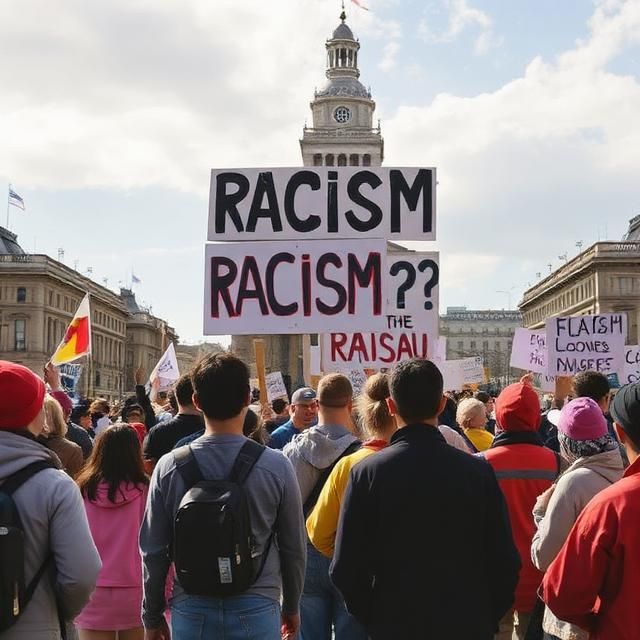
Racism is one of the most significant social issues affecting communities around the world. It influences opportunities, relationships, education, healthcare, employment, and justice. While many people associate racism only with explicit acts of discrimination or hate, it can also appear in subtle attitudes, unconscious biases, institutional policies, and everyday interactions.
The phrase “test of racism” can refer to the process of examining our beliefs, behaviors, and systems to determine whether racial prejudice or discrimination exists. Rather than assigning labels to individuals, these assessments encourage self-reflection and help identify areas where people and organizations can promote fairness and inclusion.
This article explores what racism is, how racism tests work, their limitations, and practical ways individuals and communities can foster equality.
What Is Racism?
Racism is prejudice, discrimination, or unequal treatment based on a person’s race or ethnicity. It can occur between individuals or be embedded within institutions and social systems.
Racism is generally discussed in several forms:
- Individual racism: Personal beliefs, attitudes, or actions that discriminate against people because of their race.
- Institutional racism: Policies or practices within organizations that unintentionally or intentionally disadvantage certain racial groups.
- Structural racism: Patterns across society that create unequal access to resources, opportunities, and rights.
- Implicit bias: Automatic associations or stereotypes that may influence decisions without conscious awareness.
Understanding these different forms helps explain why racism is more than isolated incidents—it can also involve broader social patterns.
What Is a Racism Test?
A racism test is typically a questionnaire or assessment designed to help people reflect on their attitudes toward different racial or ethnic groups. Some tests measure conscious opinions through direct questions, while others attempt to explore unconscious associations.
These assessments are commonly used for:
- Personal self-reflection
- Diversity and inclusion training
- Educational discussions
- Academic research
- Awareness-building exercises
The goal is not necessarily to declare whether someone is “racist” or “not racist.” Instead, many assessments encourage participants to recognize possible biases and think critically about how those biases may influence behavior.
Types of Racism Assessments
1. Self-Reflection Questionnaires
These ask participants about their beliefs, experiences, and attitudes.
Example questions may include:
- How comfortable are you interacting with people from different racial backgrounds?
- Have you ever made assumptions about someone based on their ethnicity?
- Do you actively seek diverse perspectives?
The answers are intended to promote honest reflection rather than provide a clinical diagnosis.
2. Implicit Association Tests
Some assessments attempt to measure unconscious associations by asking participants to quickly categorize words and images. Researchers use response times to study patterns that may suggest automatic preferences or stereotypes.
While these tests are widely discussed, experts continue to debate how well they predict real-world behavior.
3. Organizational Diversity Assessments
Businesses, schools, and nonprofits sometimes evaluate their hiring, promotion, admissions, or workplace practices to identify whether systemic barriers exist.
These assessments focus on improving fairness rather than evaluating individual character.
What Is Racism?
Everyone develops beliefs through family, education, culture, media, and personal experiences. Because of this, unconscious biases can exist even in people who genuinely value equality.
Self-reflection helps individuals:
- Recognize hidden assumptions
- Improve communication
- Build empathy
- Make more informed decisions
- Treat others with greater fairness and respect
Learning about bias is an ongoing process rather than a one-time achievement.
The Limitations of Racism Tests
Although racism assessments can be useful, they have important limitations.
They Cannot Fully Define a Person
A short questionnaire cannot capture someone’s complete character, values, or behavior.
Results Depend on Honest Responses
People may answer questions differently depending on mood, social expectations, or personal interpretation.
Bias Is Complex
Human attitudes are influenced by many factors, including culture, education, environment, and life experiences. No single test can measure all aspects of bias.
Context Matters
Actions often reveal more than questionnaire results. Treating people fairly in everyday life remains more meaningful than any test score.
Signs of Inclusive Behavior
Instead of focusing solely on identifying racism, many experts recommend encouraging behaviors that support inclusion.
Examples include:
- Listening respectfully to different perspectives.
- Challenging stereotypes.
- Using inclusive language.
- Treating people equally regardless of race or ethnicity.
- Supporting equal opportunities in education and employment.
- Learning about different cultures with curiosity and respect.
These actions contribute to healthier communities and stronger relationships.
How to Reduce Personal Bias
Reducing bias is an ongoing learning process. Practical strategies include:
Expand Your Perspective
Read books, watch documentaries, and engage with stories from people with different cultural backgrounds.
Build Diverse Relationships
Meaningful interactions with people from different communities can reduce stereotypes and increase understanding.
Question Assumptions
Before making judgments, ask whether your conclusion is based on evidence or an assumption.
Continue Learning
History, sociology, and psychology provide valuable insights into how prejudice develops and how societies can become more equitable.
Practice Empathy
Consider how situations may feel from another person’s perspective. Empathy encourages respectful communication and thoughtful decision-making.
The Role of Education
Schools and universities play an important role in teaching accurate history, critical thinking, and cultural awareness.
Educational programs that encourage respectful discussion can help students:
- Understand historical events.
- Recognize discrimination.
- Appreciate cultural diversity.
- Develop stronger communication skills.
- Become informed global citizens.
Education promotes understanding rather than division.
Technology and Bias
Artificial intelligence, hiring software, facial recognition systems, and recommendation algorithms have raised important discussions about fairness and bias.
Researchers continue working to identify and reduce unintended discrimination in technology by:
- Using diverse datasets
- Testing algorithms for fairness
- Increasing transparency
- Encouraging ethical AI development
Technology should support equal opportunities rather than reinforce existing inequalities.
Frequently Asked Questions
Can one test determine whether someone is racist?
No. Human beliefs and behaviors are complex, and no single assessment can definitively determine whether a person is racist. These tools are best viewed as opportunities for reflection rather than definitive judgments.
Are unconscious biases permanent?
No. Research suggests that awareness, education, diverse experiences, and deliberate practice can help people recognize and reduce the influence of unconscious biases over time.
Should organizations use racism assessments?
Organizations may use diversity and inclusion assessments to better understand workplace culture and identify opportunities to improve fairness. These assessments are most effective when combined with broader organizational efforts, such as equitable policies, education, and accountability.
Conclusion
The concept of a “test of racism” is best understood as a starting point for reflection rather than a final verdict. While questionnaires and assessments can encourage awareness, they cannot fully capture the complexity of human attitudes or behavior.
Creating a more inclusive society requires continuous learning, empathy, open dialogue, and a commitment to treating every person with dignity and respect. By examining our assumptions, listening to diverse perspectives, and supporting fair opportunities for all, individuals and organizations can contribute to communities where everyone has the chance to thrive.
FOR FURTHER INFORMATION ,VISIT :THESOLOMAG.COM