
 By Admin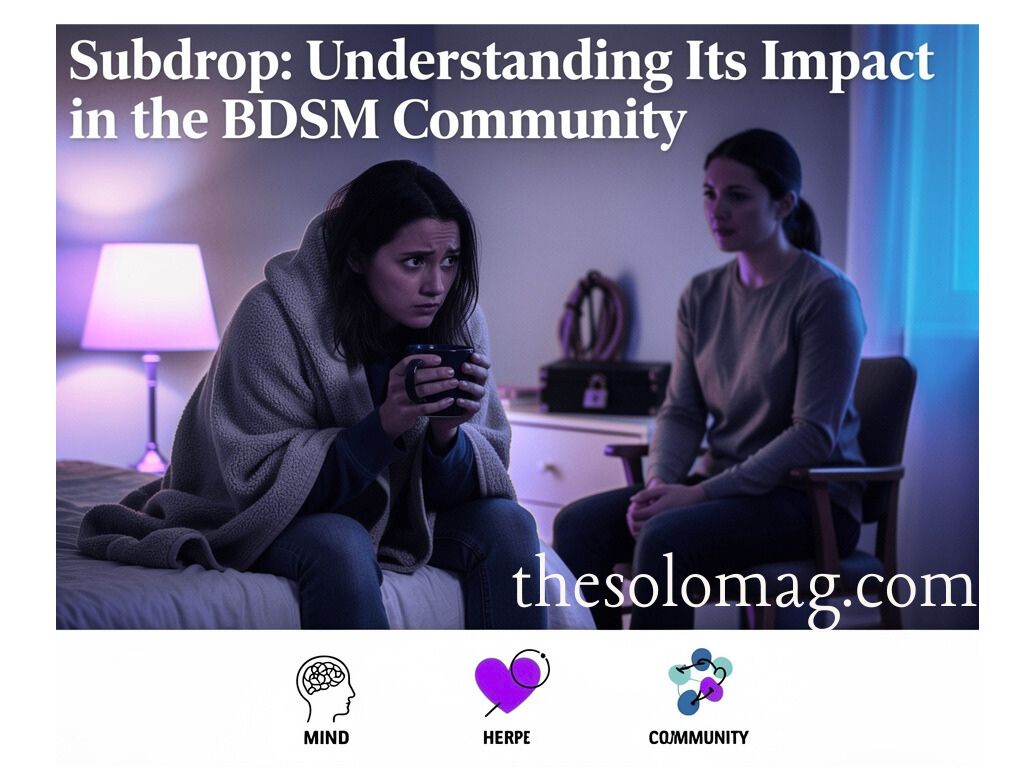
In the realm of BDSM, understanding the emotional and psychological aspects of the practice is crucial. One such phenomenon that participants might encounter is subdrop. This article delves into the meaning of subdrop, what it feels like, why it occurs, and how individuals can navigate this experience effectively.
What is Subdrop?
Subdrop refers to the emotional and physical state that some submissives experience after a BDSM scene. Following an intense session, they may feel a sudden drop in adrenaline and emotional highs, often leading to feelings of vulnerability, sadness, or a general emotional low.
The Meaning of Subdrop
At its core, subdrop signifies the aftermath of an experience that can be both exhilarating and exhausting. When a submissive engages in a deep scene, their body floods with hormones like adrenaline, oxytocin, and endorphins, which create a euphoric sense of satisfaction. Once the scene ends, the body can experience a sharp decline, resulting in what many describe as a “drop.”
What Does Subdrop Feel Like?
Experiencing subdrop can manifest in various ways. Common sensations include:
- Fatigue: An overwhelming sense of tiredness emerges as the adrenaline wears off.
- Emotional Vulnerability: A feeling of sadness or emotional sensitivity may occur, often leading to tears.
- Disconnection: Some may feel a sense of detachment from reality or a loss of connection with their partner.
- Irritability: Increased sensitivity to external factors can result in irritability or frustration.
Is Subdrop Real?
Yes, it is indeed real. Participants in BDSM often discuss their personal experiences, corroborating the phenomenon’s validity. Recognizing and understanding subdrop is essential for both tops and bottoms in a scene.
Navigating Subdrop: Tips for Recovery
If you or someone you know experiences subdrop, it’s crucial to manage the emotional aftermath effectively. Here are some strategies:
- Hydration: Drink water or herbal tea to help rehydrate and ground yourself.
- Aftercare: Engage in aftercare practices, which may include cuddling, conversation, or providing comfort items.
- Rest: Allow yourself time to recuperate; sleep can be incredibly restorative after a scene.
- Talk: Communicate feelings with a partner or friend. Sharing emotions can lighten the load.
- Reflect: Spend time processing the experience, which can provide insights and understanding.
The Importance of Communication
Effective communication between partners is vital in preventing and managing subdrop. Discuss feelings, boundaries, and expectations before and after a scene. This builds trust and can significantly lessen the impact of subdrop when it occurs.
Related Concepts: BDSM and Aftercare
The term aftercare refers to the process of caring for partners after a BDSM scene, aiming to provide emotional and physical comfort. This can be crucial for addressing the feelings associated with it.
Why Aftercare Matters
- Reassurance: Provides a sense of safety and security post-scene.
- Bonding: Enhances emotional connection between partners.
- Recovery: Aids in the physical and emotional recovery process.
Coupling effective aftercare with an understanding of subdrop can create a more pleasurable and fulfilling BDSM experience.
Real-Life Examples of Subdrop
Example 1: The Freelancer Experience
Imagine a freelancer who engages in an intense collaborative project. After the successful conclusion, instead of feeling triumph, they experience deep fatigue and a sense of loss. This is akin to subdrop—though not in a BDSM context, it illustrates how emotional highs can lead to lows. Recognizing and addressing these feelings can help freelancers regain their motivation.
Example 2: Small Business Owners
A small business owner might launch a product after months of hard work. The excitement of the launch may be followed by an unexpected emotional low. By understanding this “drop” and implementing self-care practices, such as taking breaks or seeking support from peers, they can effectively navigate this transition, similar to how a submissive would address subdrop.
FAQs About Subdrop
Q:1 What is subdrop in BDSM?
Subdrop is the emotional and physical drop experienced by submissives after an intense BDSM scene.
Q:2 What causes subdrop?
It’s caused by a rapid decrease in adrenaline and other feel-good hormones following a high-intensity scene.
Q:3 How can I recognize it?
Symptoms include fatigue, emotional vulnerability, irritability, and feelings of disconnection.
Q:4 Is there a way to prevent it?
While it may not always be preventable, thorough aftercare and open communication can help mitigate the effects.
Q:5 What should I do during a subdrop?
Focus on self-care practices such as hydration, rest, and talking with a supportive partner.
Q:6 Can it happen even after a positive experience?
Yes, it can occur after any intense emotional experience, not just negative ones.
Q:7 Is it the same as depression?
No, it is a temporary emotional response specific to the after-effects of BDSM scenes, whereas depression is a long-term mental health condition.
Q:8 How long does subdrop last?
It varies among individuals; some may feel effects for hours, while others might take days to recover.
Q:9 Can anyone experience it?
Yes, while it’s more common in submissives, anyone engaged in intense emotional or physical experiences can face a drop.
Q:10 How does aftercare help with it?
Aftercare provides emotional support and comfort, helping to alleviate feelings associated with subdrop.
Conclusion
Understanding subdrop is essential for anyone involved in the BDSM community. Recognizing its signs, learning how to manage it, and effectively communicating with partners can enhance the overall experience. By employing aftercare and fostering an open dialogue, both tops and bottoms can ensure a richer and more fulfilling journey in their BDSM practices.
FOR FURTHER INNFORMATION, VISIT: THESOLOMAG