
 By Admin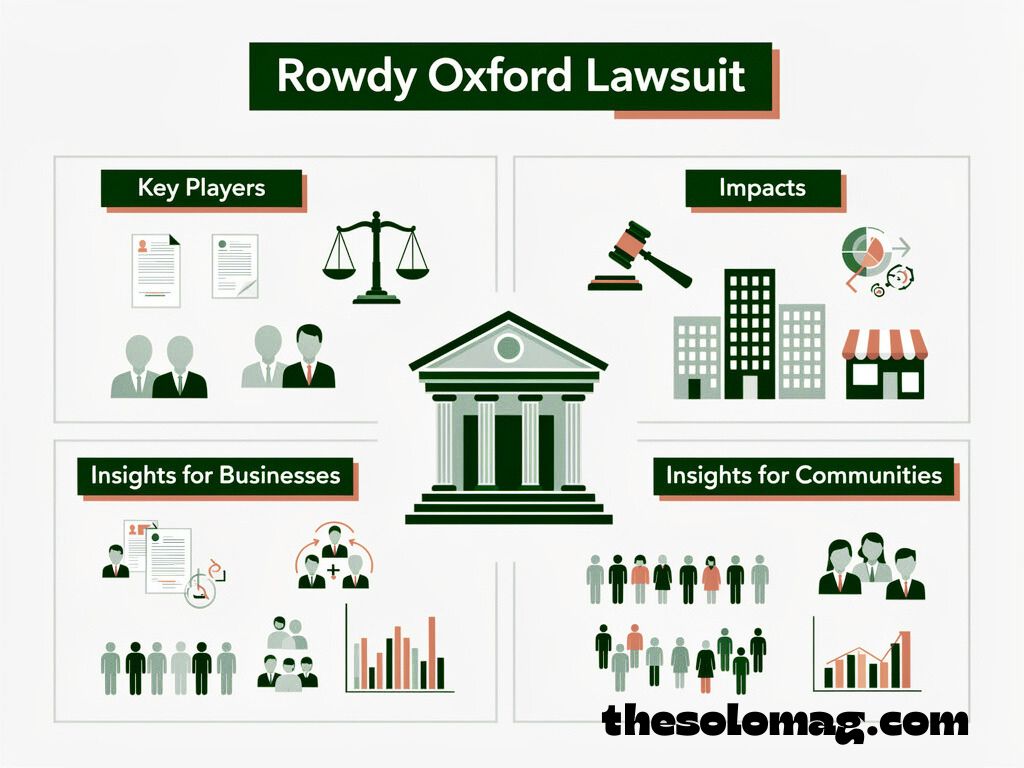
The Rowdy Oxford lawsuit has recently caught the attention of many, stirring conversations and raising questions throughout various communities. As a reader, you may be wondering what this lawsuit entails, its implications, and its potential impact on certain stakeholders. In this article, we’ll explore all facets of the Rowdy Oxford lawsuit, keeping everything easy to understand and engaging for you.
Understanding the Rowdy Oxford Lawsuit
The Rowdy Oxford lawsuit revolves around legal actions involving a prominent Oxford establishment known for its lively atmosphere. This situation offers a striking example of how individual experiences can escalate into significant legal matters affecting businesses, customers, and the community at large.
Background of the Case
The origins of the Rowdy Oxford lawsuit can be traced back to specific incidents that drew public attention. It involves claims made by certain individuals against the establishment, alleging misconduct or unfair practices.
- Key events leading to the lawsuit:
- Altercations involving patrons
- Claims of negligence in maintaining a safe environment
- Allegations concerning discrimination practices
These elements combined create a complex narrative that has implications not just for the parties involved but also for the broader community.
The Legal Landscape
Who is Involved?
There are various players in the Rowdy Oxford lawsuit, and understanding their roles is essential:
- The Plaintiffs: Individuals or groups claiming harm due to the establishment’s actions.
- The Defendants: Typically, the business and its employees, who stand by their operational processes and claims.
Nature of the Claims
The claims within the Rowdy Oxford lawsuit primarily focus on:
- Negligence: The plaintiffs allege that the establishment failed to provide a safe space.
- Discrimination: Some claims involve situations where individuals felt targeted based on race or other personal characteristics.
- Emotional Distress: Several patrons have reported lasting effects on their mental well-being due to the incidents.
These categories are common in lawsuits involving establishments that handle large crowds.
The Impact of the Lawsuit
On the Business
The Rowdy Oxford lawsuit poses significant challenges for the establishment:
- Financial Costs: Lawsuits can be expensive, draining resources from both operational and legal funds.
- Reputation at Stake: Public perception can shift dramatically based on media coverage and community responses.
On the Community
For the community, the Rowdy Oxford lawsuit can impact:
- Local Businesses: Similar establishments may face scrutiny, leading to a ripple effect.
- Social Dynamics: Tensions between patrons and businesses may rise, altering the social fabric of the area.
On Individuals
For individuals involved, whether as plaintiffs or employees, the personal effects can be substantial:
- Emotional Toll: Lawsuits can lead to anxiety and stress for those connected to the case.
- Community Engagement: There may be a surge in activism or community meetings surrounding the lawsuit.
Key Takeaways for Stakeholders
Whether you are part of the legal team, a business owner, or a community member, there are numerous insights to glean from the Rowdy Oxford lawsuit:
- Stay Informed: Keeping up-to-date with developments can help you navigate this complex situation.
- Consider Your Position: Understanding where you stand in relation to the lawsuit can shape how you engage with the scenario.
- Communicate Openly: If you are involved, whether directly or indirectly, clear communication can help mitigate misunderstandings.
How to Prepare for Similar Situations
While the Rowdy Oxford lawsuit is unique, businesses and individuals can learn from it to prepare for potential legal challenges:
Establish Clear Policies
- Safety Protocols: For establishments with high foot traffic, developing robust safety measures can prevent incidents.
- Training: Staff training programs focused on diversity and harassment can foster a more inclusive environment.
Legal Framework
- Consult Legal Experts: Regular check-ins with legal professionals can help organizations remain compliant with regulations.
- Insurance Coverage: Understanding and obtaining appropriate liability insurance can protect against unforeseen circumstances.
Community Engagement
- Foster Relationships: Building strong bonds with community members can lead to support structures, particularly during crises.
- Open Dialogue: Encourage feedback from patrons to gauge their perceptions and concerns.
FAQs About the Rowdy Oxford Lawsuit
Q:1 What is the Rowdy Oxford lawsuit about?
The Rowdy Oxford lawsuit refers to legal claims made against a business in Oxford due to alleged negligence and discrimination.
Q:2 Who are the defendants in this lawsuit?
The defendants typically include the establishment and its staff, who maintain that their operations adhere to safety standards.
Q:3 What types of claims are being made?
The lawsuit involves claims of negligence, discrimination, and emotional distress among patrons.
Q:4 How can I stay updated on the lawsuit’s progress?
Following local news outlets or legal blogs can provide ongoing information on developments within the Rowdy Oxford lawsuit.
Q:5 What should businesses learn from this case?
Establishments should prioritize safety, staff training, and community engagement to mitigate risks associated with similar incidents.
Q:6 Are there repercussions for local businesses?
Yes, the lawsuit may impact the public perception of similar establishments and their operational practices.
Q:7 How do the claims affect patrons?
Patrons involved may experience emotional distress due to the incidents and the subsequent legal proceedings.
Q:8 Can customers take legal action against establishments?
Yes, customers have the right to pursue legal action if they believe they have been wronged or harmed.
Q:9 What are the possible outcomes of the lawsuit?
Outcomes can include financial settlements, changes in business practices, and shifts in community dynamics.
Q:10 How can individuals contribute positively during this situation?
Community members can engage in dialogues, attend meetings, and support businesses exhibiting positive practices.
Conclusion
The Rowdy Oxford lawsuit serves as a crucial reminder of the complexities involved in legal disputes related to businesses. By understanding the dynamics at play, stakeholders can arm themselves with knowledge that not only helps them navigate the present situation but also prepares them for possible future challenges.
In a world where local establishments contribute significantly to community identity, it is essential to tackle such issues with empathy and foresight. Perhaps the most vital takeaway is that we can learn from every situation, fostering environments that prioritize safety, inclusivity, and transparency.
FOR FURTHER INFORMATION, VISIT: THESOLOMAG