
 By Admin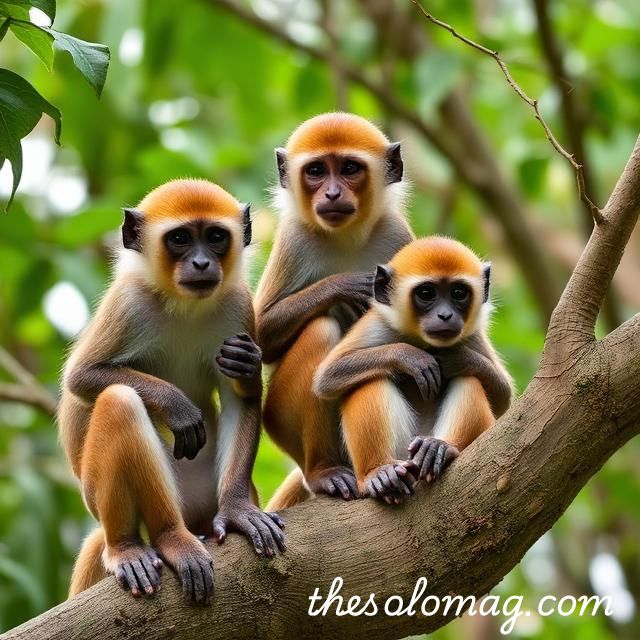
If you have ever scrolled through viral videos of a monkeys from asia snatching a tourist’s sunglasses or unzipping a backpack in seconds, you already know: these primates are genius-level troublemakers.
But there is so much more to the story than theft and funny memes.
Monkeys from asia represent over 90 species, from the tiny, gentle langurs to the famous, orange-fluffy monkey from asia rainforest dwellers like the Bornean orangutan. They shape jungles, test scientists’ patience, and even help regrow forests.
In this guide, you will learn exactly where they live, why they steal, which species are endangered, and how to stay safe when one locks eyes with your banana.
Why Are Monkeys from Asia So Different from Other Primates?
Unlike their African or South American cousins, many Asian monkeys evolved alongside dense human populations for thousands of years. That proximity changed them.
They learned to read human body language, open containers, and even trade stolen goods for food.
For example, long-tailed macaques in Thailand have been observed using human hair as dental floss. Yes, really. That is not instinct. That is culture.
Key Traits You Will Notice:
-
High intelligence – They solve puzzles faster than some toddlers.
-
Boldness around people – Especially near temples and tourist spots.
-
Cheek pouches – Used to store food while fleeing a crime scene.
-
Social hierarchies – Troops have strict leaders, babysitters, and even “cops.”
The Most Famous Asian Monkeys That Steal from Tourists
Let’s address the headline grabber. You have seen the clips. A family is posing for a photo, and suddenly—whoosh—an asian monkey that steals from tourists runs off with an iPhone or a bag of mango sticky rice.
The main culprit is the crab-eating macaque (also called the long-tailed macaque). They live across Thailand, Vietnam, Cambodia, Indonesia, and Malaysia.
Why do they steal?
-
They learn quickly – One monkey sees another get food by snatching. Soon, the whole troop does it.
-
Bartering behavior – Some monkeys trade stolen phones or wallets back for fruit. Tourists unknowingly reinforce this.
-
Boredom – In high-traffic areas, stealing becomes entertainment.
Real-life example: At the Ubud Monkey Forest in Bali, staff now carry peanuts to “pay ransom” for glasses and GoPros. A single troop there commits over 100 thefts weekly.
The Adorable Side: Orange Fluffy Monkey from Asia Rainforest
Not all monkeys from asia are tricksters. Deep in the rainforests of Borneo and Sumatra lives one of the most beloved primates on Earth: the orangutan.
Although technically an ape (not a monkey), the public often searches orange fluffy monkey from asia rainforest when looking for these red-haired, gentle giants.
-
Scientific name: Pongo pygmaeus
-
Distinctive look: Long, shaggy reddish-orange fur. Males develop large cheek pads.
-
Daily life: They build fresh sleeping nests in trees every night. No two nests are the same.
-
Diet: Over 400 types of fruit, plus bark, insects, and honey.
Conservation status
Critically endangered. Deforestation for palm oil has destroyed over 50% of their habitat in the last 20 years.
You can help by checking product labels for “sustainable palm oil” or supporting the Borneo Orangutan Survival Foundation.
When Good Research Goes Wrong: Monkeys Escape from Lab in Asia
Every few years, a headline explodes: monkeys escape from lab in asia. It sounds like a sci-fi movie. But in 2022, dozens of macaques broke out of a medical research facility in Thailand.
The cause? A faulty lock and a very determined alpha male.
What happens after an escape?
-
Local residents are told to secure trash bins and keep windows closed.
-
Authorities set up bait traps with fruit and tranquilizers.
-
Most monkeys return on their own within 48 hours (they miss easy food sources).
Why it matters: Asian macaques are often used in medical research because their DNA is 93% similar to humans. Escapes are rare, but when they happen, they remind us of the ethical debates surrounding primate testing.
Complete List of Common Monkeys from Asia (By Region)
| Region | Species Example | Unique Trait |
|---|---|---|
| South India | Lion-tailed macaque | Silver mane, shy nature |
| Japan | Japanese macaque (snow monkey) | Bathes in hot springs |
| China | Golden snub-nosed monkey | Bright orange fur, upturned nose |
| Philippines | Philippine tarsier (small primate) | Huge eyes, fits in a fist |
| Sri Lanka | Purple-faced langur | Black face, loud barking call |
If you ever asked yourself, “What is that monkey from asia with the crazy hair?” — you likely saw a proboscis monkey from Borneo. The males have massive, dangling noses used to amplify mating calls.
How to Stay Safe Around Asian Monkeys That Steal from Tourists
You do not need to fear them. But you do need to be smart.
Dos and Don’ts
DO:
-
Keep bags zipped and worn in front of your body.
-
Avoid eating in open areas where monkeys gather.
-
Carry a spare water bottle to toss away if chased (they stop for water).
-
Make eye contact and back away slowly if a monkey stares at you.
DON’T:
-
Smile wide. To macaques, bared teeth mean aggression.
-
Run. It triggers their chase instinct.
-
Try to grab back a stolen item. Let staff handle it.
Real-life tip from a Bali tour guide: “If a monkey takes your hat, show them a water bottle. They almost always drop the hat to grab the bottle.”
The Ecological Importance of Monkeys from Asia
Why should you care beyond the funny videos?
Asian monkeys are forest gardeners. When they eat fruit, they swallow seeds and later deposit them miles away in new locations. A single troop can spread thousands of seeds per week.
Without them:
-
Rainforest regeneration slows by 60% or more.
-
Tree diversity collapses.
-
Other animals lose food and shelter.
In short, losing monkeys from asia means losing Asia’s tropical forests.
Ethical Tourism: See Them Without Harming Them
You can watch wild Asian monkeys responsibly.
Choose:
-
National parks with ranger-led tours (e.g., Khao Yai in Thailand).
-
Rehabilitation centers (e.g., Sepilok Orangutan Sanctuary in Malaysia).
-
Ethical sanctuaries that do not offer holding or selfies.
Avoid:
-
Street performers with monkeys in diapers or chains.
-
Cafés that keep pet macaques for “entertainment.”
-
Any place that lets you feed them junk food.
Why it matters: A fed monkey is a dead monkey. Human food disrupts their digestion, makes them aggressive, and leads authorities to cull problem animals.
FAQs
1. What is the most common monkey from Asia?
The long-tailed macaque (crab-eating macaque) is the most widespread. You will find them from India to the Philippines.
2. Are monkeys from Asia dangerous to humans?
Generally no, but they can bite if cornered. Their teeth carry bacteria that cause serious infections. Always keep distance.
3. Which Asian monkey species is the smartest?
Pig-tailed macaques are known to use tools (rocks to crack nuts) and can learn sign language in captivity.
4. Do monkeys from Asia make good pets?
Absolutely not. They are illegal to own in most countries, carry diseases like herpes B, and become aggressive after puberty.
5. What is the smallest monkey from Asia?
The Philippine tarsier. It fits in an adult’s palm and weighs only 4–5 ounces.
6. Why do Japanese macaques sit in hot springs?
To survive freezing winters. Only the Jigokudani troop in Japan does this—they learned by watching humans.
7. What should I do if a monkey steals my bag?
Stay calm. Do not chase. Find a local guide or park ranger. They use food trades to recover items safely.
8. Are there monkeys from Asia that can swim?
Yes. Crab-eating macaques are strong swimmers and have even been seen diving for shellfish.
9. What is the orange fluffy monkey from Asia rainforest?
That is the orangutan (ape) or, for true monkeys, the golden snub-nosed monkey from central China.
10. How many monkeys escape from labs in Asia each year?
Official numbers are low (under 10 incidents total in the last decade), but media coverage makes them seem more common.
11. Can monkeys from Asia recognize themselves in mirrors?
Some can. Great apes (orangutans) pass the mirror test. Most macaques do not.
12. What is the lifespan of a wild Asian monkey?
Between 15 to 30 years depending on species. Macaques live ~20 years; orangutans can reach 50.
13. Do monkeys from Asia mourn their dead?
Yes. Japanese macaque mothers have been observed carrying deceased infants for days. Langur troops fall silent around a dying member.
Conclusion: Respect the Wild Genius
Monkeys from asia are not just background characters in jungle documentaries or viral thieves. They are complex, emotional, and ecologically irreplaceable.
The next time you see an asian monkey that steals from tourists, remember: you are looking at an animal that adapted to your world faster than you adapted to theirs.
Protect their forests. Never feed them. And if one grabs your phone—just let it go.
Pros and Cons of Wild Monkeys from Asia (Tourist Perspective)
Pros
-
Incredible photo opportunities in natural settings.
-
Watching their social behavior is free entertainment.
-
They keep forest ecosystems healthy.
-
Many species are now protected by law, giving travelers ethical options.
-
Observing them teaches respect for wildlife intelligence.
Cons
-
Theft of personal items is common in tourist zones.
-
Some carry rabies and herpes B (rare but serious).
-
Feeding them creates aggressive panhandlers.
-
Escapes from labs, while rare, create local safety concerns.
-
Habitat loss means more human-monkey conflict.
FOR FURTHER INFORMATION, VISIT: THESOLOMAG