
 By Admin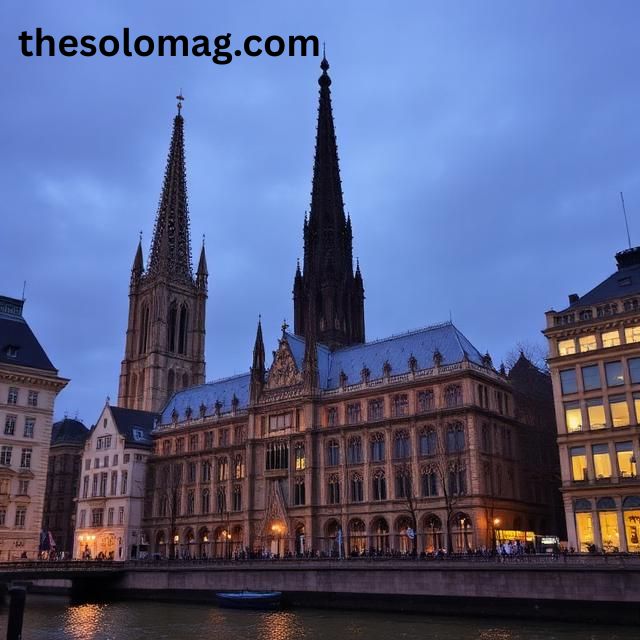
When people think of Germany, they often picture Bavaria’s alpine meadows or Berlin’s gritty art scene. But nestled on the banks of the Rhine River lies a city with a soul of its own: Cologne (Köln).
Known for its breathtaking Gothic cathedral, vibrant carnival culture, and a local beer that has achieved cult status, Cologne offers a travel experience that is both deeply historical and refreshingly modern. Whether you’re a history buff, a foodie, or a night owl, this city welcomes you with open arms and a friendly “Kölle Alaaf!”
Let’s dive into the very best of Cologne.
1. The Crown Jewel: Cologne Cathedral (Kölner Dom)
You can’t talk about Cologne without starting here. The Cologne Cathedral is not just a church; it is a UNESCO World Heritage Site and the city’s magnetic north. Its twin spires dominate the skyline, and the intricate details of its facade are a masterclass in Gothic architecture.
Why you can’t miss it:
-
The Reliquary of the Three Kings: Believed to hold the remains of the Biblical Magi, this golden shrine makes the cathedral a major pilgrimage site.
-
The South Tower Climb: 533 steps. Your legs will burn, but the panoramic view of the Rhine and the sprawling city below is worth every gasp of air.
-
The Stained Glass: Even the modern Richter Window (a mosaic of 11,000 colored squares) is a stunning contrast to the medieval grandeur.
Pro Tip: Visit early in the morning (before 9 AM) to avoid the cruise ship crowds. Entry to the cathedral is free, but the tower climb requires a small ticket.
2. Stepping Back in Time: The Old Town (Altstadt)
After the Dom, wander into the Altstadt. Unlike other German cities flattened during WWII, Cologne’s Old Town is a loving reconstruction of narrow, cobbled streets lined with pastel-colored townhouses.
The heart of the Altstadt is the Alter Markt and Heumarkt squares. Here, you’ll find outdoor seating spilling from every café and pub. Keep an eye out for the Tünnes and Schäl statues—bronze figures of local folk heroes. Rubbing Tünnes’s nose is said to bring good luck (and a slightly shiny nose).
Don’t miss: The Historic Town Hall (Kölner Rathaus), with its 14th-century Gothic tower and Renaissance loggia. It is the oldest municipal building in Germany still in use.
3. The Spirit of Cologne: Kölsch Beer & Brauhaus Culture
In Cologne, beer is not just a drink; it’s a statement. Kölsch is a pale, crisp, top-fermented lager that is only allowed to be brewed within a 50km radius of the cathedral. The servers, called Köbes, are famously gruff—if you don’t put your coaster on top of your empty glass, they will keep bringing you fresh ones until you surrender.
Where to drink like a local:
-
Früh am Dom: A stone’s throw from the cathedral. Great for tourists and first-timers. Their traditional “Halver Hahn” (a rye roll with Gouda and mustard) is a must-try.
-
Gaffel am Dom: Another iconic brewery with a massive vaulted hall.
-
Päffgens Brauhaus: Tucked away in a quiet corner of the Altstadt, this spot feels more local, especially if you visit during the week.
Kölsch Etiquette: You will be served in 0.2L glasses called Stangen. This is to keep the beer cold and fresh. Don’t ask for a large pint—it’s just not done here.
4. Art and Attitude: Museum Mile & Street Art
Cologne is a cultural powerhouse, rivaling Berlin for its art scene. The Museum Ludwig (right next to the Dom) houses one of Europe’s most significant Pop Art collections, including masterpieces by Warhol and Lichtenstein, plus the largest Picasso collection outside of Spain.
Just across the street is the Museum Schnütgen, a hidden gem displaying medieval religious art in a stunning Romanesque church cloister. For something completely different, walk 15 minutes south to the Belgisches Viertel (Belgian Quarter). This trendy neighborhood is full of independent boutiques, vinyl record stores, and incredible street art murals that change seasonally.
Insider tip: If you visit on the first Thursday of the month, many museums offer free entry after 6 PM.
5. The Rhine River: Cruise, Walk, or Chill
You can’t fully understand Cologne without seeing it from the water. A Rhine River cruise is the perfect lazy afternoon activity. Several companies offer one-hour round trips from the pier near the Hohenzollern Bridge. You’ll glide past the cathedral, the iconic Cologne Cable Car, and the modernist Kranhauser in the Rheinauhafen district.
If you prefer to stay on land, walk across the Hohenzollern Bridge. This isn’t just a train bridge; it’s a wall of love. Thousands of love locks glitter on its railings, placed there by couples from around the world. You can buy a lock at any souvenir shop near the bridge.
Photo op: The sunset view from the western bank looking east towards the bridge and Dom is the money shot for social media.
6. When to Visit: Carnival vs. Christmas Markets
Cologne transforms dramatically depending on the season.
-
Winter (Late Nov – Dec): The Cologne Christmas Markets are legendary. The market under the shadow of the Dom is majestic, but locals prefer the fairy-tale themed market at Heinzels Wintermärchen on the Alter Markt. Drink Glühwein, eat Reibekuchen (potato pancakes), and feel the magic.
-
Winter/Early Spring (Feb – March): Cologne Carnival (Kölner Karneval) is the “fifth season.” The streets explode with costumes, music, and chaos on Rosenmontag (Rose Monday). If you hate crowds, avoid it. If you love parties, book your hotel a year in advance.
-
Summer (June – Aug): The Kölner Lichter (Cologne Lights) firework festival in July turns the Rhine into a spectacle of pyrotechnics. Also, the Stadtgarten becomes an open-air concert venue.7. What to Eat (Beyond Sausage)
Forget the clichés. Cologne has its own distinct cuisine.
-
Reibekuchen (Rievkooche): Potato fritters served with apple sauce (Apfelmus) or black bread and smoked salmon. Find the best at the Christmas markets or any Reibekuchenbude.
-
Himmel un Ääd: “Heaven and Earth.” A sweet-savory mash of black pudding, fried onions, and a puree made from potatoes and apples.
-
Mussels (November – February): The Rhine may not be the sea, but locals go crazy for Miesmuscheln cooked in Kölsch beer and vegetables.
Where to eat: Head to Brauhaus Sion for an authentic, tourist-friendly but still delicious sit-down meal, or grab a currywurst from a stall under the arches of the main train station for a quick bite.
Final Travel Tips for Cologne
-
Getting around: Cologne is a walking city. Most major sights are within a 20-minute stroll of the Dom. The U-Bahn (subway) is efficient for longer jumps. Buy a Kurzstrecke (short trip ticket) if you are only going 2-3 stops.
-
Stay: Choose the Altstadt-Nord for convenience, the Belgian Quarter for cool vibes, or Deutz (east side of the Rhine) for cheaper hotels with a view of the skyline.
-
Language: English is widely spoken, especially in hospitality, but learning “Kölle Alaaf” (the carnival cheer) and “Einen Kölsch, bitte” will earn you smiles.
Conclusion
Absolutely. Unlike the polished perfection of Munich or the edgy grit of Berlin, Cologne is warm and unpretentious. It’s a city that was 95% destroyed in 1945 and rebuilt by people who refused to let their spirit be bombed away.
Today, that spirit lives in every foamy glass of Kölsch, every echo in the cathedral’s vaulted ceilings, and every “Tach!” (hello) from a passing stranger. Spend 48 hours here, and you won’t just see a city—you’ll feel one.
Ready to explore the Rhine? Bookmark this guide and start planning your trip to Cologne today.
FAQS
Q:1 Is Cologne worth visiting for just one day?
Yes, but two days is ideal. In one day, you can see the Cologne Cathedral, walk across the Hohenzollern Bridge, explore the Old Town, visit one museum (like Museum Ludwig), and enjoy Kölsch at a traditional Brauhaus. However, a second day allows you to take a Rhine cruise, discover the Belgian Quarter’s street art, and visit the Chocolate Museum or the Rheinauhafen district.
Q:2 How do I get from Cologne Bonn Airport (CGN) to the city center?
The S-Bahn (S19 or S13) is the fastest and cheapest option. Take the train from the airport station directly to Köln Hauptbahnhof (main station). The journey takes about 15–20 minutes and costs around €3–4 with a local ticket. Taxis and ride-shares (Uber, Free Now) cost €25–35 and take 20–30 minutes depending on traffic.
Q:3 When is the best time to visit Cologne?
December for the Christmas markets and late spring (May–June) for pleasant weather and fewer crowds. Summer (July–August) is lively but busy, while Carnival (February/March) is pure chaos—great for partiers, terrible for peace seekers. Avoid January if you dislike cold, gray weather.
Q:4 Is Cologne safe for solo travelers, especially at night?
Very safe. Cologne is one of Germany’s safer large cities. The Altstadt and tourist areas are well-lit and busy even late at night. Use standard precautions (watch your bag on the train, avoid dark side streets in the city center after midnight). Solo female travelers report feeling comfortable, especially in the Belgian Quarter or near the Dom.
Q:5 What is the difference between Kölsch and regular German beer?
Kölsch is unique to Cologne. It’s a top-fermented beer that is then cold-aged (lagered), giving it a crisp, fruity, slightly hoppy flavor—lighter than a Pilsner but more complex than a standard Helles. Crucially, only breweries within 50km of the Cologne Cathedral are legally allowed to call their beer “Kölsch.” It’s served in tiny 0.2L glasses (Stangen) to keep it cold and fresh.
Q:6 Is the Cologne Cathedral free to enter?
Yes, entry to the main cathedral is free. However, you must pay for:
-
Tower climb (€6 for adults, €3 for children)
-
Treasury museum (€6)
-
Combined ticket (tower + treasury – €9)
Opening hours vary by season, but generally the cathedral is open daily from 6 AM to 7 PM (tower closes earlier, around 5–6 PM).
Q:7 What food is Cologne famous for besides sausages?
Cologne’s signature dishes include:
-
Reibekuchen (potato fritters with apple sauce)
-
Himmel un Ääd (black pudding with potato-apple mash and fried onions)
-
Halver Hahn (a rye roll with Gouda cheese, mustard, and pickles – despite the name, it contains no meat)
-
Mussels (seasonal, cooked in Kölsch beer)
You’ll find these at traditional Brauhäuser like Früh, Gaffel, or Päffgen.
Q:8 Can I drink tap water in Cologne?
Yes, absolutely. German tap water is strictly regulated and very safe. Cologne’s water comes from the Rhine riverbank filtration system and is tested rigorously. Restaurants will usually serve bottled water by default (for a fee), but you can ask for “Leitungswasser, bitte” – though some places may refuse or charge a small fee. Carry a reusable bottle and fill it at public fountains.
Q:9 Is Cologne expensive for tourists?
Moderate to affordable by Western European standards.
-
Budget traveler: €50–70/day (hostel, street food, free sights, one paid museum)
-
Mid-range traveler: €100–150/day (private Airbnb or 3-star hotel, sit-down meals, 2–3 paid attractions)
-
Luxury traveler: €200+/day
Compared to Munich, Cologne is noticeably cheaper. A Kölsch costs €2–3, a decent meal €10–18, and a museum ticket €8–12.
Q:10 What souvenirs should I buy in Cologne?
The most authentic souvenirs are:
-
4711 Eau de Cologne (the original “Cologne water” – buy from the flagship store at Glockengasse 4)
-
A Kölsch glass or coaster (sold at any Brauhaus or souvenir shop near the Dom)
-
Local mustard from Senfmühle Köln (artisanal mustard mill near the Chocolate Museum)
-
A bottle of Kölsch (if flying, you can buy mini-bottles after airport security; otherwise, enjoy it on the ground)
Avoid generic “I ❤️ Cologne” magnets and look for handcrafted Kölner Dom miniatures or carnival masks.
FOR FURTHER INFORMATION, VISIT: THESOLOMAG