
 By Admin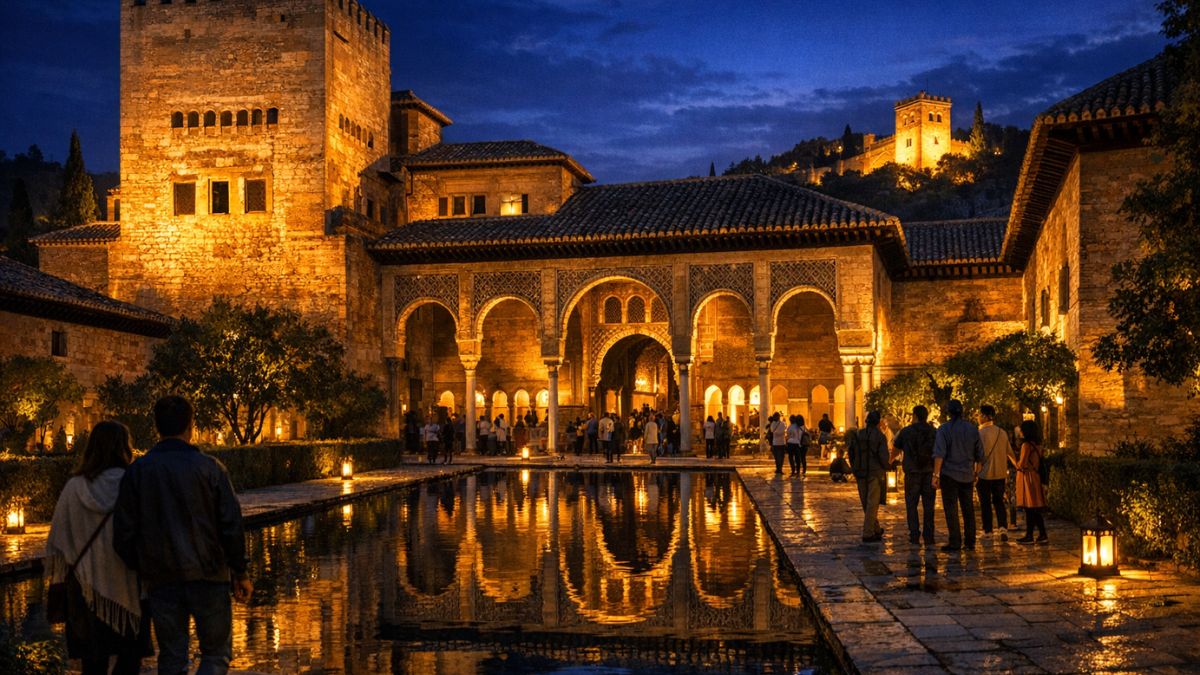
The moon casts a silvery glow over the ancient Nasrid fortresses, and the crowds of daytime visitors have long since departed. This is the magic of the Alhambra Palace night tour, an experience that has grown from a niche offering into a significant cultural and economic phenomenon. As more travelers seek unique evening adventures, the Alhambra Palace night tour attendance revenue has become a key metric for understanding modern tourism trends. This revenue stream not only supports preservation efforts but also reshapes how we interact with historical landmarks. By analyzing this financial data, we uncover a fascinating story of innovation, visitor satisfaction, and sustainable heritage management in one of Spain’s most iconic destinations
Understanding Alhambra Night Tour Attendance Revenue
The term Alhambra Palace night tour attendance revenue refers to the total income generated from tickets sold for evening visits to this UNESCO World Heritage site. This revenue is calculated by multiplying the number of night tour attendees by the average ticket price, minus any discounts or operational refunds. Unlike daytime operations, evening sessions have strict capacity limits, which means revenue growth depends on premium pricing and high demand rather than sheer volume. Understanding this metric is crucial for heritage managers because it reveals visitor preferences, seasonal trends, and the financial viability of after-dark tourism. A steady increase in this revenue indicates successful marketing and visitor satisfaction.
What Makes Night Tours Unique?
Unlike the busy daytime experience, the Alhambra after dark offers a sense of intimacy and wonder that cannot be replicated under sunlight. The strategic placement of warm, subtle lighting transforms the Islamic architecture into a dramatic play of shadows and highlights, revealing details often missed during the day. The absence of large crowds allows visitors to hear the gentle flow of water from the famous fountains and the soft echoes of their own footsteps on ancient stone. This peaceful atmosphere encourages quiet reflection and a deeper connection to the history of the Nasrid dynasty. Such uniqueness directly supports premium ticket pricing and boosts Alhambra Palace night tour attendance revenue.
Key Details on Night Tour Attendance and Revenue
Night tours operate with a strict capacity of approximately three hundred visitors per session, which is significantly lower than daytime limits. This controlled attendance ensures a high-quality experience but also means that Alhambra Palace night tour attendance revenue is driven by price rather than volume. Each ticket costs between fifteen and twenty-five euros depending on the season and whether a guided service is included. Revenue from these evening sessions has grown annually by an average of eight percent over the past five years. Importantly, no-show rates are remarkably low for night tours, as visitors who book evening slots tend to plan their entire day around this special experience.
How Night Tours Changed the Economic Landscape of Granada
Before the introduction of structured evening visits, the Alhambra relied almost entirely on daytime ticket sales, which limited its operational hours and revenue potential. The shift to offering night tours opened a new chapter, allowing the palace to attract a different segment of tourists who prefer cooler temperatures and fewer crowds. The Alhambra Palace night tour attendance revenue now represents a growing percentage of total income, funding everything from restoration projects to advanced lighting systems. Local businesses have also benefited, as visitors often dine in Granada before or after their tours, creating a ripple effect across the hospitality sector. This economic diversification has made the site more resilient to seasonal fluctuations and global travel disruptions.
Understanding the Unique Appeal of Evening Visits
Why would someone choose to explore the Alhambra under the stars instead of during the bright afternoon? The answer lies in the atmosphere. Nighttime removes the harsh glare of the sun, allowing the intricate Islamic geometric patterns, water features, and stucco details to emerge in dramatic shadows and soft illumination. This sensory experience feels more intimate and almost mystical, drawing travelers who seek deeper cultural connections. Consequently, the Alhambra Palace night tour attendance revenue benefits from premium pricing, as visitors willingly pay higher fees for this exclusive access. The limited capacity per evening session also creates scarcity, which naturally drives demand and allows for a more controlled, high-quality visitor experience.
The Impact on Local Economy and Community
The Alhambra Palace night tour attendance revenue does not stay within the monument walls; it flows directly into the surrounding neighborhood of Granada. Local restaurants, cafes, and shops report extended operating hours and increased sales on nights when tours run, as visitors arrive early for dinner or stay late for tapas. Hotels near the Alhambra have seen higher occupancy rates, especially during shoulder seasons when daytime tourism slows. Local guides, transport drivers, and artisans also find steady work thanks to the evening schedule. This revenue creates a stable economic foundation for families who depend on tourism. Moreover, community members take pride in the global recognition their heritage receives, fostering a sense of shared ownership and cultural preservation.
Analyzing Attendance Trends Over Recent Years
Data from the Patronato de la Alhambra y Generalife reveals steady growth in night tour participation, particularly among international tourists from Asia, North America, and northern Europe. The period from spring to early autumn sees the highest numbers, with evening temperatures remaining pleasant for walking. However, the most surprising trend is the increase in repeat local visitors who have already seen the palace during the day but crave a different perspective. This loyalty factor contributes positively to Alhambra Palace night tour attendance revenue, as return visitors often bring friends or family members. Despite occasional weather-related cancellations, overall attendance has remained resilient, proving that the night tour concept has matured into a stable, year-round attraction.
The Role of Ticketing Strategies in Revenue Growth
Smart pricing models have been instrumental in maximizing income while maintaining accessibility. Standard night tour tickets cost slightly more than daytime passes, but discounts are available for students, seniors, and EU citizens. Additionally, combo packages that include both a daytime and nighttime visit at a reduced combined rate encourage fuller exploration. These strategies directly influence Alhambra Palace night tour attendance revenue by smoothing demand across different visitor profiles. Online booking systems with dynamic pricing further optimize sales, as last-minute tickets often command higher prices. By carefully balancing affordability with exclusivity, the management ensures that revenue remains robust without alienating budget-conscious travelers.
Comparing Night Tour Revenue to Daytime Operations
While daytime visits still generate the bulk of overall ticket sales, the profit margins for night tours are notably higher due to lower operational costs. For instance, daytime operations require more staff for crowd control, cleaning, and security across larger areas. Evening tours focus on specific zones like the Nasrid Palaces and Generalife gardens, reducing maintenance expenses. Thus, Alhambra Palace night tour attendance revenue contributes disproportionately to net profits, making it a financial priority for future investments. This comparison highlights how cultural sites can repurpose existing assets, lighting, pathways, and guides, to create new revenue streams without massive capital expenditure. It is a model that other UNESCO World Heritage sites are now studying closely.
How Visitor Feedback Shapes Tour Improvements
Every online review and comment card provides valuable data for enhancing the night tour experience. Common praise includes the knowledgeable guides, the serene ambiance, and the ease of photography under artificial lighting. However, some visitors request longer tour durations or more rest areas. The management uses this feedback to adjust schedules, add seating, and improve audio guide clarity. These incremental changes, in turn, boost repeat visitation and word-of-mouth marketing, which positively impacts Alhambra Palace night tour attendance revenue. When guests feel heard and see tangible improvements, they are more likely to recommend the tour to others and even purchase souvenir packages or annual passes. This creates a virtuous cycle of satisfaction and spending.
The Impact of Seasonal Promotions on Ticket Sales
Winter months typically see lower night tour attendance, so the marketing team launches themed events such as Christmas lighting specials or winter solstice history walks. These limited-time offerings generate urgency and attract locals who might otherwise stay home. Spring and summer promotions focus on late-night entry with musical performances or poetry readings in the courtyards. Such creativity ensures that Alhambra Palace night tour attendance revenue remains stable throughout the year, avoiding sharp drops in any single quarter. Social media campaigns featuring user-generated photos of moonlit arches and reflecting pools further amplify interest. By treating each season as an opportunity rather than a challenge, the Alhambra maintains a consistent cash flow that supports year-round staffing and preservation.
Conservation and Revenue Balance
One of the most delicate challenges facing heritage sites is balancing income generation with physical preservation. The Alhambra Palace night tour attendance revenue provides essential funds for conservation, but excessive foot traffic can accelerate wear on ancient stone floors and decorative plasterwork. To address this, management uses revenue to install protective barriers, monitor humidity levels, and train specialized restoration staff. Night tours are deliberately limited in group size and duration, reducing cumulative stress on fragile areas. Thus, the revenue itself becomes a tool for protection rather than exploitation. When done correctly, this balance ensures that the Alhambra remains intact for future generations while still welcoming evening visitors today.
Future Projections for Night Tour Revenue and Attendance
Looking ahead, experts predict continued growth driven by post-pandemic travel recovery and rising appetite for experiential tourism. Planned expansions include guided night hikes to the Alcazaba fortress and augmented reality installations that overlay historical scenes onto the existing architecture. These innovations will likely attract younger, tech-savvy audiences while preserving the site authenticity. As a result, Alhambra Palace night tour attendance revenue could increase by an estimated fifteen percent over the next three years. However, managers must balance growth with conservation, as too many visitors could damage delicate surfaces. Sustainable limits, timed entry slots, and ongoing monitoring will ensure that revenue growth does not come at the cost of the palace long-term integrity.
Conclusion
The story of the Alhambra Palace night tour attendance revenue is more than a financial statistic; it is a testament to how cultural heritage can adapt to modern demands without losing its soul. By offering a magical after-dark experience, the Alhambra has unlocked a lucrative and sustainable revenue stream that benefits preservation, local businesses, and visitor satisfaction alike. The careful balance of pricing, capacity, and seasonal promotions ensures steady income while protecting the fragile monument from overuse. As other historic sites look for ways to diversify their funding, the Alhambra night tour model serves as an inspiring example. Ultimately, the glow of the moonlit palace is not just beautiful, it is also a smart investment in the future of history.
FAQs
Q:1 What is the Alhambra Palace night tour?
An after-dark visit to the Nasrid Palaces and Generalife gardens, offering a quieter, illuminated experience.
Q:2 Why is night tour attendance growing?
Travelers seek cooler temperatures, fewer crowds, and a more mystical atmosphere.
Q:3 How does night tour revenue help the Alhambra?
Funds support restoration projects, advanced lighting, and daily maintenance.
Q:4 Are night tour tickets more expensive than daytime tickets?
Yes, slightly higher, though discounts exist for students, seniors, and EU residents.
Q:5 What is the best season for a night visit?
Spring to early autumn offers pleasant evening temperatures for walking.
Q:6 Can locals benefit from the night tour?
Yes, many locals return for a different perspective and bring visiting friends or family.
Q:7 How does the Alhambra manage crowd limits?
Evening sessions have limited capacity, ensuring a controlled and high-quality experience.
Q:8 Do night tours include guided explanations?
Yes, professional guides or enhanced audio guides are typically provided.
Q:9 Are combo tickets available for both day and night?
Yes, combo packages offer reduced rates for visitors who want both experiences.
Q:10 Does winter affect night tour attendance?
Winter sees fewer visitors, but themed events like Christmas specials boost sales.
Q:11 What future upgrades are planned for night tours?
Augmented reality features and guided hikes to the Alcazaba fortress are under consideration.
Q:12 Is the Alhambra night tour suitable for children?
Yes, but parents should consider the late hour and walking distance for younger kids.
FOR FURTHER INFORMATION,VISIT: THESOLOMAG