
 By Admin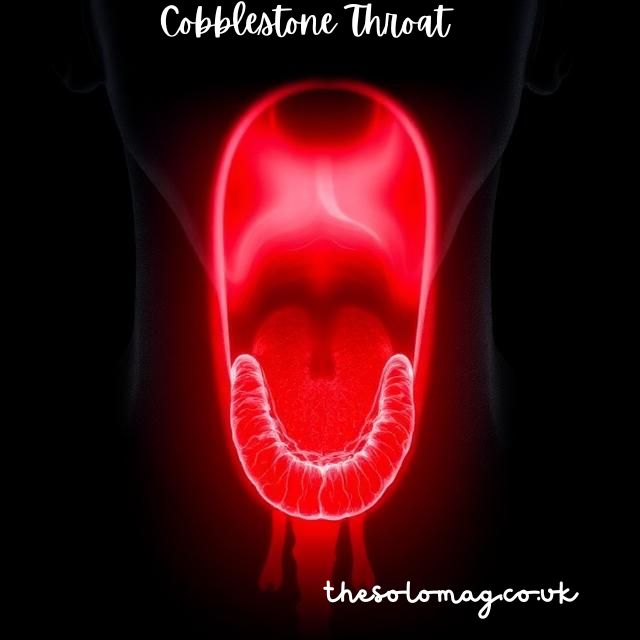
That feeling of something stuck in your throat or the alarming sight of bumpy tissue when you look in the mirror can be unsettling. If you’ve noticed a rough, pebble-like texture in the back of your throat, you’re likely experiencing what doctors call cobblestone throat.
The good news? While it might look concerning, cobblestone throat is almost always harmless and temporary. Think of it as your immune system’s visible sign of fighting off irritants or minor infections. The name is descriptive—the small, swollen bumps resemble the uneven surface of a cobblestone street .
What is cobblestone throat? It’s not a disease itself but a symptom of an underlying issue. The bumps are swollen lymphatic tissue, part of your immune system reacting to inflammation and excess mucus . It’s the body’s way of saying, “Something is irritating me!”
Understanding what is a cobblestone throat is the first step to treating it and calming your worries.
What Causes Cobblestone Throat?
The primary trigger for cobblestoning of the throat is irritation and inflammation, often from postnasal drip. When your body produces extra mucus—from allergies, infections, or other causes—it drips down the back of your throat, irritating the tissue and causing the lymphatic tissue to swell .
Common Culprits
-
Postnasal Drip and Allergies: Allergic rhinitis (hay fever) from pollen, dust, or pet dander is a leading cause. Your body produces excess mucus that drips down your throat .
-
Viral Infections: The common cold, flu, and even COVID-19 can cause cobblestone throat. A 2023 case study documented cobblestone throat in a younger patient infected with the Omicron variant of SARS-CoV-2 .
-
Acid Reflux (GERD): Stomach acid can travel up your esophagus and irritate the throat, leading to chronic inflammation and cobblestoning .
-
Bacterial Infections: Strep throat is a bacterial infection that can cause inflammation and require antibiotics for cobblestone throat .
-
Environmental Irritants: Smoking, vaping (sometimes called “vumps”), dry air, and pollution can directly irritate the throat lining and cause bumps .
Symptoms to Recognize
Besides the visible bumps, you might experience:
-
Sore or scratchy throat
-
A sensation of a lump or something stuck in the throat
-
Persistent need to clear your throat
-
Mild cough
-
Postnasal drip
Related: Experiencing a persistent sore throat? Learn more about the difference between viral and bacterial throat infections.
Effective Treatment and Home Remedies
How to get rid of cobblestone throat depends on its cause. The good news is that many cases resolve on their own with simple home care .
Home Remedies
-
Gargle with Warm Salt Water: Mix ½ teaspoon of salt in a glass of warm water and gargle several times daily to reduce inflammation.
-
Stay Hydrated: Drink plenty of water and warm fluids (herbal tea with honey) to thin mucus and soothe the throat.
-
Use a Humidifier: Adding moisture to the air can prevent throat dryness and reduce irritation.
-
Rest Your Voice: Avoid straining your vocal cords and get plenty of rest to support your immune system.
Medical Treatments (When Necessary)
-
Antihistamines: For allergy-related cobblestone throat, non-drowsy antihistamines can reduce inflammation and mucus .
-
Decongestants/Nasal Sprays: Steroid nasal sprays or decongestants can help clear postnasal drip.
-
Acid Reducers: If GERD is the culprit, lifestyle changes (avoiding acidic/spicy foods, elevating your head while sleeping) and medications (proton pump inhibitors) can help .
-
Antibiotics: If a bacterial infection like strep throat is diagnosed, a doctor will prescribe antibiotics for cobblestone throat. Remember, antibiotics won’t work for viral infections .
How long does cobblestone throat last? It typically resolves within one to two weeks if caused by a viral infection . If caused by allergies or acid reflux, it may persist longer unless the underlying condition is managed .
Prevention Tips
-
Identify and avoid allergens.
-
Don’t smoke or vape.
-
Manage acid reflux with diet and lifestyle.
-
Wash your hands frequently to prevent infections.
-
Stay well-hydrated.
When to See a Doctor
While cobblestone throat is usually harmless, you should see a healthcare provider if:
-
Symptoms last longer than two weeks.
-
You have severe throat pain.
-
You experience a high fever (over 101°F).
-
You have difficulty breathing or swallowing .
Frequently Asked Questions (FAQs)
1. What is it?
It describes a condition where the back of the throat appears bumpy with small, raised lumps resembling cobblestones. It is a symptom caused by swollen lymphatic tissue in response to irritation from postnasal drip, allergies, or infections .
2. Is it dangerous?
No, it is not dangerous. It is a harmless and temporary response of your immune system to an irritant. The bumps are not cancerous and are unrelated to HPV strains that cause cancer .
3. How long does cobblestone throat last?
It usually lasts one to two weeks if triggered by a common cold or flu. If it’s due to chronic allergies or acid reflux, it can last longer until the underlying cause is managed .
4. How can I get rid of it?
Treat the underlying cause. Use home remedies like saltwater gargles and humidifiers. For allergies, try antihistamines. For acid reflux, adjust your diet. Antibiotics for cobblestone throat are only effective if a bacterial infection is present .
5. What causes it?
Common causes include postnasal drip from allergies, viral infections (cold, flu), acid reflux (GERD), bacterial infections (strep), and environmental irritants like smoking or dry air .
6. What is cobblestoning in the throat?
Cobblestoning in the throat is the medical term for the visible bumpy texture of the throat lining. It refers to the swollen lymphoid tissue that creates a cobblestone-like appearance .
7. Is cobblestone throat a sign of COVID-19?
It can be. While not the most common symptom, cobblestone throat has been reported in COVID-19 patients, particularly those with the Omicron variant .
8. Can stress cause cobblestone throat?
Stress doesn’t directly cause it, but it can contribute to unhealthy habits like poor hydration or eating poorly, which can worsen conditions that lead to throat irritation .
9. Does cobblestone throat need antibiotics?
Only if it’s caused by a bacterial infection like strep throat. Most cases are viral or allergy-related and don’t require antibiotics for cobblestone throat .
10. Can vaping cause cobblestone throat?
Yes. Vaping and smoking are environmental irritants that can directly inflame the throat lining, leading to cobblestone throat. Some even call these bumps “vumps” .
11. Is cobblestone throat the same as strep throat?
No. Strep throat is a specific bacterial infection causing severe pain and fever. Cobblestone throat is a general symptom of throat irritation that can be caused by viruses, allergies, or other irritants, and is usually milder .
12. Can allergies cause it?
Yes, allergies are a primary cause. Allergic rhinitis leads to postnasal drip, which irritates the throat and causes the lymphatic tissue to swell into bumps .
13. What is the difference between cobblestone throat and a normal sore throat?
A normal sore throat is characterized by pain and redness, often from an infection. Cobblestone throat refers to the specific visible bumps on the throat wall and may or may not be painful. The bumps are a sign of chronic inflammation or irritation .
Conclusion
Finding bumps in the back of your throat can be alarming, but what is a cobblestone throat? It’s simply a sign that your body is fighting off irritants, from allergies to infections. In most cases, it’s a temporary and harmless condition that resolves with rest, hydration, and home remedies. By identifying and addressing the underlying cause—whether it’s avoiding allergens, managing acid reflux, or taking antibiotics for it if prescribed—you can effectively treat it and find relief. If symptoms persist for more than two weeks or are accompanied by severe pain or fever, it’s best to consult a healthcare professional for a proper diagnosis.
FOR FURTHER INFORMATION, VISIT: THESOLOMAG.CO.UK