
 By Admin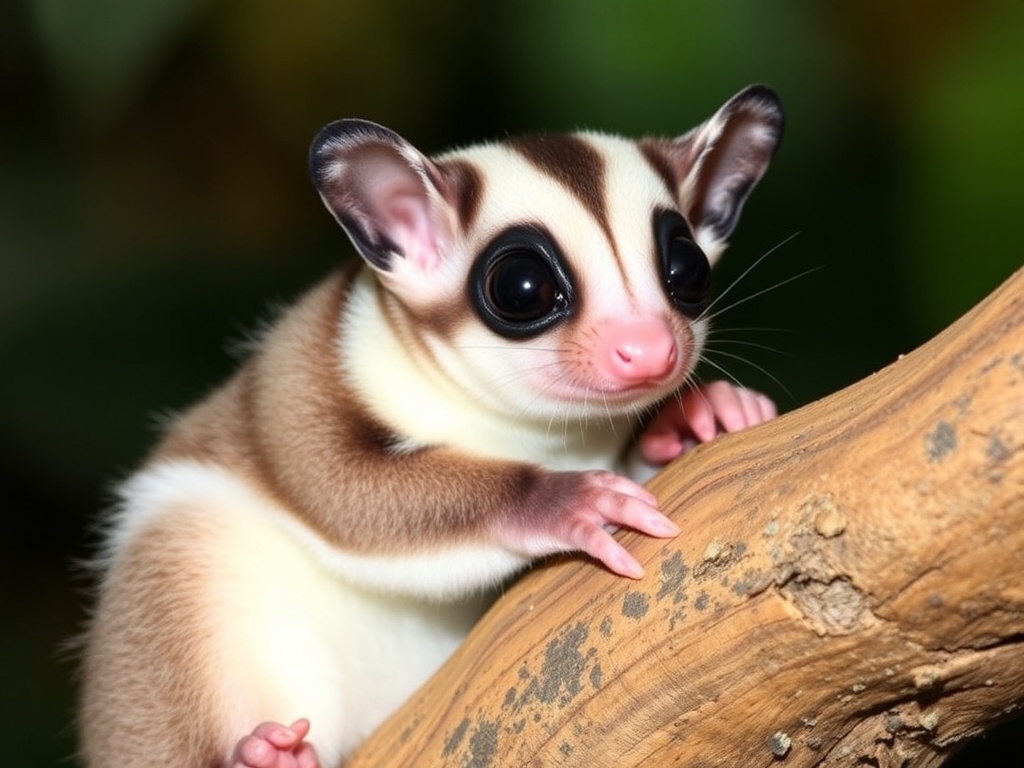
Sugar Glider Lifespan: If you’re considering bringing a sugar glider into your family—or you already have one—the first question on your mind is likely: How long do sugar gliders live?
These tiny, big-eyed marsupials are a 10-to-15-year commitment, not a “2-year hamster.” Understanding the sugar glider lifespan is critical for responsible ownership.
In this guide, we’ll break down the average life expectancy, why some gliders die young, and the exact steps you can take to help your pet live a full, healthy life.
What Is the Average Sugar Glider Lifespan?
The answer depends entirely on their environment.
| Environment | Average Lifespan |
|---|---|
| In the Wild | 3–5 years |
| In Captivity (Proper Care) | 10–12 years |
| In Captivity (Exceptional Care) | 14–15+ years |
Key takeaway: With optimal nutrition, socialization, and veterinary care, a pet sugar glider can live three times longer than its wild cousins.
Why do wild gliders die so young?
-
Predators (owls, snakes, feral cats)
-
Food scarcity and dehydration
-
Lack of medical care
-
Harsh weather conditions
In captivity, those risks vanish—but new ones appear if owners don’t educate themselves.
The #1 Reason Sugar Gliders Die Prematurely
Nutritional disease. Specifically, Hypocalcemia (calcium deficiency) .
In captivity, the most common cause of early death is Nutritional Osteodystrophy (weak, brittle bones) . This happens when owners feed:
-
Too many fruits (high phosphorus, low calcium)
-
Insects without gut-loading
-
Commercial pellets with fillers
Signs of poor diet: Hind leg paralysis, tremors, seizures, and fractures. Once neurological symptoms appear, damage is often permanent.
Vet fact: A sugar glider’s calcium-to-phosphorus ratio must be 2:1 at every meal.
Life Stages of a Sugar Glider
Knowing their life cycle helps you adjust care.
| Stage | Age | Key Needs |
|---|---|---|
| Joeys (Baby) | 0–4 months | Stay in pouch with parents; weaning begins at 8 weeks. |
| Juvenile | 4–12 months | Rapid growth; high-protein diet. Socialization critical. |
| Adult | 1–7 years | Stable diet, daily out-of-cage time, bonded pair. |
| Senior | 8+ years | Vet check every 6 months; softer foods; joint supplements. |
Important: Sugar gliders are sexually mature at 6–12 months, but breeding shortens a female’s lifespan due to the physical toll of raising joeys.
7 Proven Ways to Maximize Your Sugar Glider’s Lifespan
These are non-negotiable if you want a glider that lives 12+ years.
1. Feed the “75/25” Rule
-
75% staple diet (Leadbeater’s Mix or BML – approved recipes only).
-
25% fresh variety: 1 part calcium-rich veggies, 1 part fruit, 1 part protein (cooked chicken, mealworms, boiled egg).
-
NEVER feed: Chocolate, avocado, onion, garlic, or raw sugar.
2. Provide a Giant Cage (Height over Width)
-
Minimum: 24” x 24” x 36” (larger is better).
-
Bar spacing ≤ ½ inch (they are escape artists).
-
No plastic wheels – use a solid-surface wheel (Wodent Wheel or Silent Runner) to prevent tail injuries.
3. Never House Alone
Sugar gliders are colony animals. A solitary glider develops depression, self-mutilation, and a shortened lifespan. Always keep at least two (bonded pairs or small neutered groups).
4. UVB Lighting (Yes, for Nocturnal Animals)
Even though they’re night-active, low-level UVB light for 4–6 hours/day helps synthesize vitamin D3, which allows calcium absorption. Without it, even a perfect diet fails.
5. Exotic Vet Checkups
Most cat/dog vets don’t know sugar gliders. Find an exotic veterinarian (AVMA-certified) and schedule:
-
Baseline exam at adoption
-
Annual wellness visits (fecal, blood work)
-
Semi-annual visits after age 7
6. Daily Bonding & Exercise
At least 1–2 hours out of the cage in a glider-proofed room. Use a bonding pouch during the day (they sleep, but feel your heartbeat). Lack of exercise leads to obesity, diabetes, and joint disease.
7. Spay/Neuter
-
Females: Prevents ovarian cysts and uterine cancer.
-
Males: Prevents scent marking and aggression (intact males have a musky odor).
Neutered gliders live 18–24 months longer on average.
Signs Your Sugar Glider Is Aging (8+ Years)
Senior gliders need extra care. Watch for:
-
Arthritis: Hesitation to climb or use the wheel.
-
Dental disease: Dropping food, bad breath.
-
Cloudy eyes: Cataracts (common in older gliders).
-
Weight loss: Transition to softer foods (scrambled eggs, glider-safe smoothies).
Pro tip: Add a heat lamp (ceramic emitter) to one corner of the cage. Seniors struggle to regulate body temperature.
Lifespan by Color Morph (Does it Matter?)
Some owners ask if “white” or “leucistic” gliders live shorter lives.
| Morph | Lifespan Impact |
|---|---|
| Standard Grey | 10–12 years (baseline) |
| White Tip / Mosaic | Same as grey |
| Leucistic (all white, black eyes) | No proven reduction |
| Albino (red eyes) | Slightly higher light sensitivity, but same lifespan with good care |
Verdict: Color does not affect longevity. Poor breeding does. Always buy from a USDA-licensed breeder who provides lineage.
What Shortens Lifespan? (Avoid These 5 Mistakes)
-
Using a hamster ball → Broken toes, overheating, stress.
-
Feeding only fruit → Calcium deficiency death within 6–12 months.
-
Cat or dog as “friend” → One scratch = fatal infection.
-
No wheel → Obesity and muscle wasting.
-
Teflon pans (PTFE) → Fumes kill gliders within minutes (birds and gliders are highly sensitive).
Frequently Asked Questions (FAQ)
Can a sugar glider live 20 years?
Very rare. A few exceptional cases have reached 17–18 years, but 12–14 is a realistic maximum with perfect care.
Do male or female sugar gliders live longer?
Neutered males and non-breeding females have similar lifespans. Breeding females often die 1–2 years earlier due to nutritional depletion.
How can I tell my glider’s age?
You can’t reliably. Ask the breeder for a birth certificate. After adulthood, vets estimate age by teeth wear and lens density.
Final Verdict: Are Sugar Gliders Worth the Commitment?
Yes—if you’re ready for a pet that lives over a decade. A sugar glider is not a “starter pet.” It’s a social, intelligent marsupial that will bond with you like a tiny flying dog.
The bottom line:
-
Poor care: 3–5 years (heartbreak).
-
Average care: 8–9 years (missed potential).
-
Optimal care: 12–15 years (a true family member).
If you can commit to 2 gliders, a large cage, a precise diet, and an exotic vet, you’ll earn every one of those 4,000+ days of crabbing, gliding, and bonding.