
 By Admin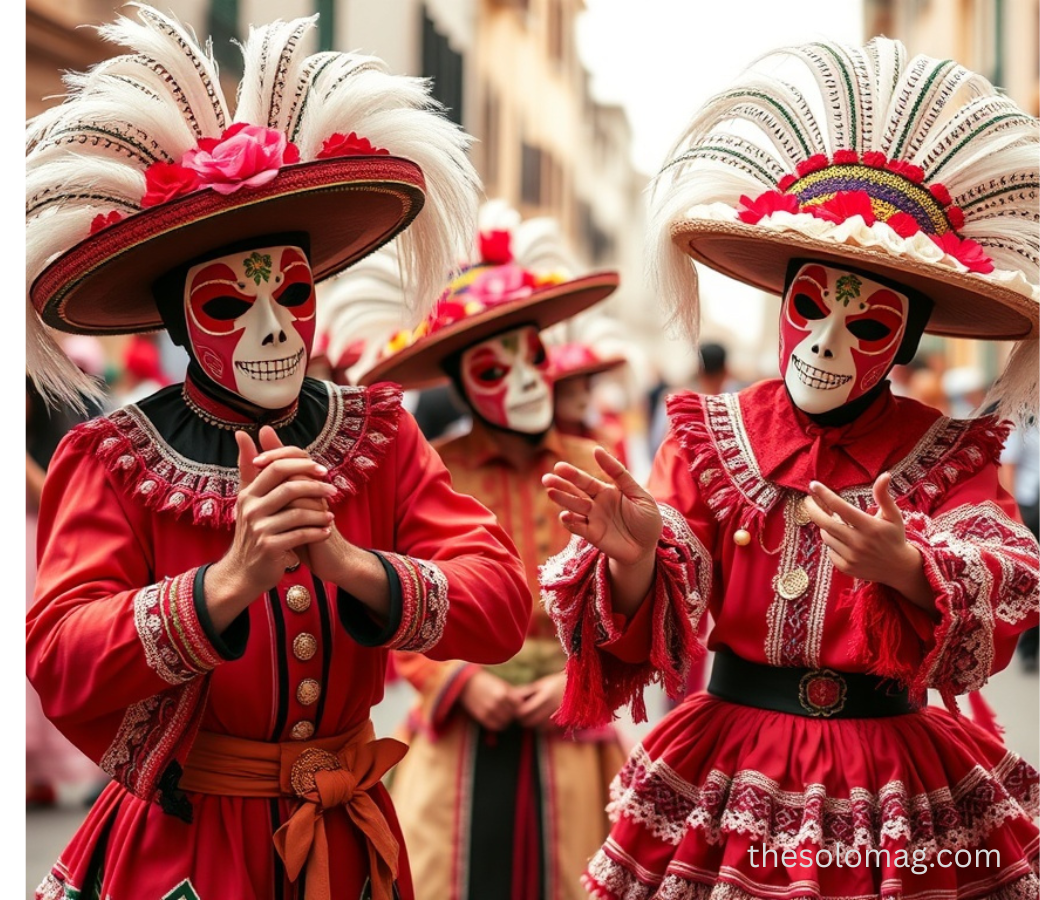
If you have stumbled across the word “Ciulioneros” recently, you are likely confused.
Is it a typo? A new TikTok trend? Or something much older?
The truth is that Ciulioneros is a linguistic anomaly—a term currently undergoing a rapid, fascinating transformation. Depending on who you ask, it is either a piece of ancient cultural heritage involving masked dancers or a piece of modern, edgy internet slang used to bypass censorship .
In this post, we are pulling back the curtain. We will explore the dusty origins of the mask traditions and the digital wild west of the online world to answer the question: What exactly is a Ciulionero?
The Two Faces of Ciulioneros
To understand this word, you have to accept that it has two distinct lives. It is a classic case of homonymy in the digital age, where one word evolves two separate meanings based on context.
| Aspect | 🥁 The Traditional “Ciulionero” | 📱 The Modern Internet Slang |
|---|---|---|
| Core Identity | Cultural Custodian / Performer | Insult / Rebellious Identity |
| Primary Location | Festivals in Mexico, Spain, Latin America | TikTok, Twitter, Gaming Chats |
| Key Visuals | Elaborate wooden masks, vibrant costumes | Memes, edited text, reaction images |
| Main Purpose | Storytelling, Spirituality, Harvest Rituals | Humor, Shocking language, Bypassing Filters |
| Tone | Sacred, Community-focused, Historical | Crass, Ironic, Playful, Aggressive |
Part 1: The Traditional Ciulioneros (Masks & Heritage)
Before the internet existed, there was the mask. In many rural communities—particularly those with roots in Mexican and Spanish folk culture—the Ciulioneros were (and still are) a vital part of the social fabric .
The Living Library
In the traditional sense, a “Ciulionero” is a custodian of culture. Think of them as living libraries. They are the dancers, the drummers, and the artisans who ensure that the stories of their ancestors do not die out .
For centuries, these individuals have gathered for festivals tied to the agricultural calendar. Whether it was a harvest celebration, a seasonal change, or a religious procession, the Ciulioneros were there to bridge the gap between the human world and the spiritual realm .
The Language of the Mask
The most striking feature of the traditional Ciulionero is the mask. These are not Halloween costumes; they are sacred objects.
-
Materials: Typically hand-carved from wood or leather.
-
Design: Often featuring exaggerated features—large eyes, sharp teeth, or long noses.
-
Symbolism: These designs are meant to represent spirits, ancestors, or mythical beasts. Historically, the masks were believed to ward off evil spirits or bring fertility to the land .
When a performer puts on a Ciulioneros mask, they are said to become that spirit. They are not acting; they are embodying the history of their people through rhythmic dance and storytelling.
The Festival Experience
If you ever visit regions in Mexico or Spain during Carnival, you might witness this firsthand. The sound of drums fills the air as the Ciulioneros dance through the streets. The costumes are a whirlwind of color, moving to beats that have remained unchanged for generations. It is loud, energetic, and deeply rooted in identity .
Part 2: The Modern Ciulioneros (Slang & Rebellion)
So, how did a sacred mask dancer become a term used in gaming chats? The Internet happened.
The modern definition of “Ciulioneros” likely stems from a misspelling or a deliberate mutation of the Spanish slang word “Culioneros” (derived from “Culo,” meaning butt) .
The Algorithm Dodge
In Spanish-speaking online communities, “Culionero” is often a vulgar insult—typically calling someone a coward, an asshole, or implying something sexually crude. However, social media algorithms (like those on TikTok or Instagram) often flag and suppress “offensive” language .
To get around these filters, users began changing the spelling. “Cu” became “Ciu.” Ciulioneros was born. It is a shadow word—it sounds like the insult, it implies the insult, but it doesn’t trigger the spam filter.
The Meaning Today
In modern texting or memes, calling someone a “Ciulionero” usually implies:
-
Rebellion: You are breaking the rules of polite society or the platform.
-
Humor/Irony: It is often used sarcastically among friends to mock “macho” behavior or just to be absurd.
-
In-group signaling: Using the slang correctly proves you are “in the know” regarding internet culture .
For many young people, the “Mask” meaning of Ciulioneros is unknown. To them, it is just a funny, edgy word to use in a username or a heated comment section.
Why The Confusion? (And Why It’s Okay)
You might search “Ciulioneros” looking for information on a cultural festival, but find a meme about a video game player. This duality is rare, but it makes the word unique.
-
For the Anthropologist: The word represents the resilience of indigenous and European folk traditions.
-
For the Linguist: The word represents how digital spaces accelerate language mutation.
-
For the User: The word is a tool for connection, whether through ancestral pride or shared laughter.
The Golden Rule of Usage:
If you are discussing art, history, or festivals, you are talking about the Masked Dancers.
If you are on social media or texting friends, you are likely dealing with the Slang variant.