
 By Admin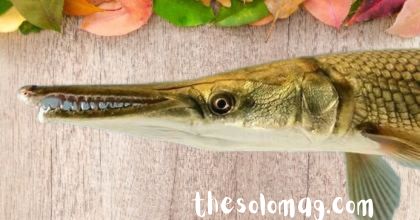
The alligator gar, a prehistoric relic of the aquatic world, is not just notable for its size and predatory nature but also for its unique anatomical structure. The alligator gar skeleton plays a crucial role in understanding the adaptations and evolution of this remarkable species. In this article, we will delve into the details of the alligator gar body skeleton, discuss its significance, and explore why it’s essential for both scientists and enthusiasts alike.
The Alligator Gar: An Overview
Before we dive into the skeleton, let’s summarize what the alligator gar is. Native to North America, particularly in slow-moving waters of rivers and lakes, this species can grow up to 10 feet long and weigh over 300 pounds. Its elongated body, armored scales, and large jaws filled with sharp teeth make it a formidable predator.
Unique Features of the Alligator Gar
- Ancient Lineage: The alligator gar is often considered a “living fossil,” having existed for over 150 million years.
- A Powerful Predator: Its diet includes fish, birds, and even small mammals, showcasing its versatility as a top predator in freshwater ecosystems.
- Breathes Air: Unlike many fish, the alligator gar has a swim bladder that allows it to breathe air, essential for surviving in low-oxygen conditions.
Understanding the Alligator Gar Skeleton
The alligator gar skeleton is a remarkable structure that reflects the evolutionary adaptations of this species. Let’s break down its components and significance.
1. Composition of the Alligator Gar Skeleton
The skeleton of the alligator gar primarily consists of cartilage and bone, which provides flexibility and strength. Key components include:
- Skull: The skull is long and pointed, housing a powerful jaw that can open wide to capture prey.
- Vertebrae: The backbone is made up of a series of vertebrae that allow for agile movement in water.
- Ribs: The rib structure offers protection to internal organs while allowing for buoyancy control.
2. Unique Adaptations
The adaptations of the alligator gar skeleton contribute to its successful predatory lifestyle. Some notable features include:
- Streamlined Body: The elongated shape reduces water resistance, aiding in swift movements.
- Strong Jaws: The powerful jaw structure is designed for gripping slippery prey effectively.
- Armor-like Scales: The heavy scales provide protection against predators and environmentally harsh conditions.
3. The Evolutionary Significance
Studying the alligator gar skeleton gives insights into its evolutionary journey and adaptations. It helps researchers:
- Understand how species evolve to survive in changing environments.
- Explore the relationship between modern fish and their prehistoric ancestors.
FAQs
Q:1 What is the primary function of the alligator gar skeleton?
It provides structure and support, protecting vital organs while allowing for efficient movement in water.
Q:2 How does the alligator gar breathe underwater?
While primarily a fish, the alligator gar can breathe air through its swim bladder, allowing it to thrive in low-oxygen waters.
Q:3 Can it tell us about its diet?
Yes! The shape and size of the jaw and teeth in the skeleton indicate its predatory diet, primarily consisting of fish and birds.
Q:4 How does the alligator gar compare to other fish?
It is more flexible than many bony fish due to its cartilage-based skeleton, which is an adaptation seen in ancient species.
Q:5 Why are alligator gars referred to as “living fossils”?
They have existed for millions of years with little evolutionary change, retaining many features of their prehistoric ancestors.
Q:6 Are all alligator gars the same size?
No, alligator gars can vary greatly in size, with some individuals exceeding 10 feet and others remaining much smaller.
Q:7 Where can you find alligator gars in the wild?
They are primarily found in freshwater lakes, rivers, and swamps across North America, especially in central and southern regions.
Q:8 What threats do alligator gars face in the wild?
Human activities, such as habitat destruction and overfishing, pose significant risks to alligator gar populations.
Q:9 How can understanding the alligator gar skeleton help conservation efforts?
Studying the anatomical features can inform conservationists about the species’ needs and adaptation strategies for survival.
Q:10 Do alligator gars have any natural predators?
Yes, despite being top predators themselves, young alligator gars may fall prey to larger fish and birds.
Q:11 How long do alligator gars typically live?
With proper environmental conditions, alligator gars can live for several decades, often reaching ages between 30 to 50 years.
Q:12 Are alligator gars dangerous to humans?
While they are large and formidable, alligator gars are not aggressive towards humans and typically avoid contact.
Q:13 How does climate change impact alligator gar habitats?
Climate change can lead to habitat loss and altered water conditions, affecting their breeding and feeding behaviors.
Practical Applications of the Alligator Gar Skeleton in Research
The study of the alligator gar skeleton serves not just academic purposes. It offers valuable insights into diverse fields such as ecology, evolutionary biology, and even medicine. Here’s how it can be applied in real life:
- Ecological Research: Understanding how this species interacts with its environment could aid in freshwater ecosystem conservation.
- Comparative Anatomy: Insights gained can be applied to studies on other fish species, enhancing our understanding of evolutionary processes.
- Biomechanics Studies: The unique structure of the alligator gar skeleton can inspire innovations in biomimicry, particularly in designing flexible robotic systms.
Conclusion
The alligator gar skeleton is more than just a rigid structure; it is a testament to millions of years of evolution. By studying it, we gain insights into not only this unique species but also the broader aspects of aquatic life and evolution. Understanding the adaptations and functionalities of the alligator gar skeleton enriches our appreciation for biodiversity and the intricate web of life.
As we continue to uncover the mysteries of this ancient creature, we not only gain knowledge for scientific purposes but forge a deeper connection with our natural world.
Related: [Understanding Biodiversity in Freshwater Ecosystems]
This exploration of the alligator gar skeleton offers a glimpse into the intersections of nature, science, and the need for conservation in today’s rapidly changing world.
FOR FURTHER INFORMATION, VISIT: THESOLOMAG