
 By Admin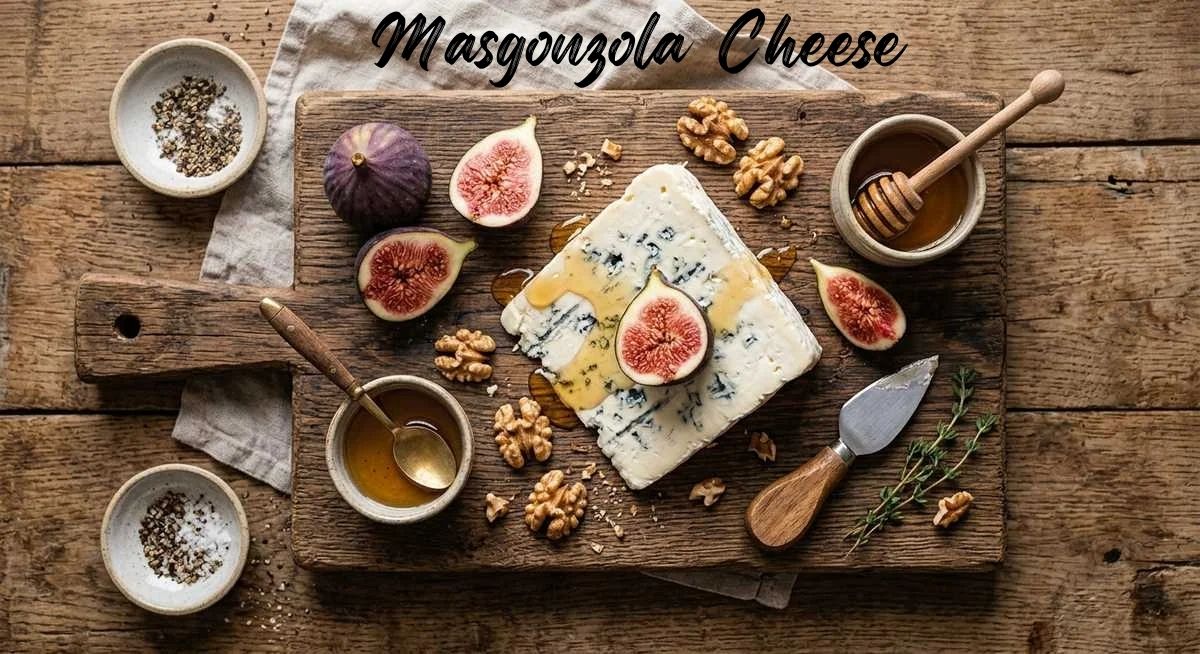
If you have walked down the specialty cheese section lately, you have probably seen it. A creamy, blue-veined wheel with a name that sounds both familiar and fresh: masgonzola. It is not a typo, nor is it a new brand trying to copy a classic. Masgon-zola is quietly becoming the go-to choice for home cooks and chefs alike. But what exactly is it, and why should you care?
Let us be real for a second. Cheese shopping can feel overwhelming. You stand there, staring at dozens of labels, unsure which wedge will actually deliver on flavor. You want something bold but not scary. Something creamy but not bland. That is exactly where masgonzola steps in. Think of it as the friend who is equally happy at a casual pizza night or a fancy dinner party. In this guide, we will unpack everything you need to know about masgonzola cheese, from its origins to practical ways to use it tonight.
What Is Masgonzola? A Clear Definition for Curious Shoppers
At its core, masgonzola is a premium Italian blue cheese. However, it differs from standard Gorgonzola in two key ways: aging time and texture profile. While traditional Gorgonzola comes in dolce (sweet, young) and piccante (aged, crumbly), masgonzola sits beautifully in the middle. It undergoes a minimum of 90 days of aging, which develops a creamy interior with just enough blue veining to deliver spice without overpowering your dish.
Many people assume all blue cheeses taste aggressive or barnyard-like. That is not the case here. Masgonzola cheese offers a buttery mouthfeel with hints of mushroom and sweet cream. The blue veins provide a gentle tang, not a sharp bite. For context, if Roquefort is a loud rock concert, masgonzola is a jazz trio in a cozy café. It is complex but approachable.
The Real-Life Appeal: How a Busy Parent Uses It
Let me paint a picture. It is 6:15 PM on a Tuesday. You have 20 minutes to get dinner on the table. The kids are hungry, and you are tired of the same old pasta with red sauce. You grab a wedge of masgonzola from the fridge. You crumble it over hot penne with a splash of pasta water and a handful of walnuts. Dinner is done. And suddenly, you look like a hero.
That is the magic of this dairy product. It does not demand elaborate recipes. You can melt it into risotto, fold it into scrambled eggs, or simply spread it on a cracker with fig jam. For a small business owner working from home, a quick lunch of masgonzola on sourdough with sliced pear turns a stressful afternoon into a small moment of joy. It is affordable luxury, plain and simple.
Masgonzola vs. Other Italian Cheeses: A Quick Comparison
To truly appreciate masgonzola, it helps to see how it stacks up against similar dairy products. Below is a simple breakdown based on flavor, texture, and best use case.
| Cheese | Flavor Profile | Texture | Best For |
|---|---|---|---|
| Masgonzola | Creamy, mild tang, nutty | Semi-soft, spreadable | Pasta, sandwiches, salads |
| Gorgonzola Dolce | Sweet, very mild | Soft, almost runny | Desserts, pear pairings |
| Gorgonzola Piccante | Sharp, peppery | Crumbly, firm | Risotto, robust sauces |
| Roquefort | Salty, intense, sheepy | Moist, crumbly | Steak topping, dressings |
As you can see, cheese occupies a sweet spot. It is not as sweet as Dolce, but not as aggressive as Piccante. This makes it the most versatile option for everyday cooking.
5 Proven Ways to Cook with Masgonzola (From Breakfast to Dinner)
You do not need a culinary degree to use this Italian cheese well. Here are five practical, real-world applications that anyone can master.
1. Creamy Masgonzola Pasta Sauce
Melt 100g of masgonzola with ½ cup of heavy cream and a knob of butter. Stir until smooth. Toss with cooked fettuccine and cracked black pepper. Total time: 10 minutes.
2. Masgonzola and Honey Toast
Toast a thick slice of rustic bread. Spread masgonzola generously. Drizzle with raw honey and a pinch of red pepper flakes. This works as a 5-minute breakfast or a late-night snack.
3. Masgonzola-Stuffed Chicken Breast
Butterfly a chicken breast. Stuff with crumbled cheese and sun-dried tomatoes. Sear in a pan, then finish in the oven. The cheese melts into a savory, creamy center.
4. Masgonzola Salad Dressing
Whisk together 2 tablespoons of crumbled masgonzola, 3 tablespoons of olive oil, 1 tablespoon of white wine vinegar, and a teaspoon of Dijon mustard. Toss with bitter greens like radicchio or endive.
5. Masgonzola & Pear Flatbread
Top a pre-baked flatbread with sliced pears, crumbled masgonzola, and fresh thyme. Bake at 400°F (200°C) for 8 minutes. Finish with arugula and a balsamic glaze.
💡 Pro tip: Let masgonzola sit at room temperature for 15 minutes before serving. This unlocks its full creamy potential.
How to Store Masgonzola Cheese (So It Lasts Longer)
Nothing feels worse than throwing away half a wedge of good cheese because it grew mold. Here is the correct way to store masgonzola.
First, never wrap it tightly in plastic wrap. The cheese needs to breathe. Instead, wrap it in wax paper or parchment paper first. Then, loosely cover it with plastic wrap or place it in a partially sealed container. Store it in the vegetable drawer of your refrigerator, where the temperature is most stable.
Masgonzola cheese typically lasts for:
-
Unopened: 3 to 4 weeks past the printed date
-
Opened: 1 to 2 weeks when stored properly
If you see a small spot of white or blue mold that is not part of the original veining, cut off at least 1 inch around and below the spot. The rest should be safe to eat. However, if the cheese smells like ammonia or feels slimy, it is time to say goodbye.
Is Masgonzola Healthy? A Look at Nutrition (Without the Hype)
Let us talk honestly about nutrition. Masgonzola is not a health food, but it is not a villain either. A one-ounce serving (about 28 grams) contains roughly:
-
Calories: 100-110
-
Protein: 6 grams
-
Fat: 9 grams (6 grams saturated)
-
Calcium: 15% of your daily value
Because masgonzola cheese has such a strong flavor, a little goes a long way. You naturally eat less of it than you would a mild cheese like mozzarella. This makes it a smart choice for flavor-driven cooking. Plus, like all fermented dairy products, it contains probiotics that support gut health. Just be mindful if you are watching your sodium intake, as blue cheeses tend to be higher in salt.
Where to Buy Masgonzola in 2026
Good news: masgonzola is no longer a specialty market exclusive. You can now find it in three main places.
-
Grocery chains: Stores like Whole Foods, Kroger, and Safeway often stock masgon-zola near the specialty cheese counter. Look for pre-wrapped wedges or ask for a taste at the counter.
-
Italian delis: Any authentic Italian market will carry at least one brand of masgonzola cheese. The staff can also recommend specific pairings.
-
Online retailers: Websites like Murray’s Cheese and iGourmet ship masgonzola overnight with ice packs. This is perfect if you live in a rural area.
When buying, look for a wedge that is moist but not weeping liquid. Avoid any package with excessive free liquid or cracks on the surface. The veins should look evenly distributed and range from pale green to deep blue.
Frequently Asked Questions About Masgonzola
Q:1 Is masgonzola the same as Gorgonzola?
No, but they are related. Masgon-zola uses a specific aging method and bacterial culture that results in a creamier, less sharp flavor than standard Gorgonzola.
Q:2 Can I eat masgonzola while pregnant?
Most doctors recommend avoiding all unpasteurized blue cheeses during pregnancy. Check the label. If your cheese is pasteurized, it is likely safe in small amounts after consulting your doctor.
Q:3 Does masgonzola melt well?
Yes, beautifully. It melts into a smooth, creamy sauce without separating. Use low to medium heat to prevent burning.
Q:4 What wine pairs best with masgonzola cheese?
A sweet wine like Moscato d’Asti or a bold red like Malbec. The sweetness balances the tang, while the red fruit complements the nutty notes.
Q:5 Is masgonzola lactose-free?
No, but it is very low in lactose. The aging process breaks down most of the lactose. Many people with mild intolerance tolerate it well.
Q:6 How many calories are in masgonzola?
Approximately 105 calories per ounce (28g). That is roughly the size of two dice.
Q:7 Can I freeze masgonzola?
Technically yes, but the texture will become crumbly and less creamy. Only freeze if you plan to cook or crumble it later.
Q:8 What is the rind on masgonzola?
The rind is natural and edible. However, some people find it slightly bitter. Taste it first, then decide.
Q:9 Why is masgonzola more expensive than regular blue cheese?
Longer aging and smaller production batches. Each wheel is monitored manually for quality.
Q:10 Can vegans eat masgonzola?
No. It is a dairy product made from cow’s milk. Look for vegan blue cheese alternatives if you avoid animal products.
Q:11 What is the shelf life after opening?
About 10 to 14 days in the refrigerator when stored properly in wax paper.
Q:12 Does masgonzola work on pizza?
Absolutely. Use it sparingly alongside mozzarella. It adds a gourmet kick to white pizzas or potato pizzas.
Final Thoughts: Why Masgonzola Deserves a Spot in Your Fridge
Look, we all want meals that taste special without requiring hours of work. it delivers exactly that. It is the kind of Italian cheese that makes a Tuesday night feel like Saturday. You do not need a recipe. Don’t need a trip to a fancy gourmet shop. Just need an open mind and a willingness to try something a little different.
Whether you crumble it over a simple salad, melt it into a quick sauce, or eat it straight from the knife (no judgment here), masgonzola cheese brings warmth and depth to your table. And in a busy world, those small moments of good food matter more than ever.
So next time you see that familiar blue-veined wedge, grab it. Your pasta, your toast, and your tired Tuesday self will thank you.
FOR FURTHER INFORMATION,VISIT: THESOLOMAG