
 By Admin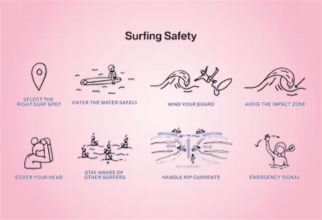
The ocean mesmerizes you. You watch surfers glide across the water. They make it look effortless. You want to feel that glide. You want to learn how to surf.
Standing on a surfboard for the first time feels impossible. You will fall. You will swallow water. Your arms will burn. But then, it happens. You pop up. You slide across the face of a wave. That feeling changes everything.
I remember my first lesson. A freelancer friend dragged me to the beach at dawn. I struggled for an hour. I caught nothing. Then, a small wave lifted my board. I stood up for three seconds. I was hooked for life.
Learning how to surf requires patience. It requires respect for the ocean. This guide breaks down every step. We cover gear, technique, and safety. By the end, you will feel ready to paddle out.
Let’s get you on that wave.
What You Need Before You Hit the Water
Preparation prevents frustration. You wouldn’t start a business without a plan. Surfing works the same way. Get the basics right first.
Choose the Right Surfboard
Your board choice matters most. Beginners almost always pick the wrong one. They grab a short, cool-looking board. That is a huge mistake.
-
Start with a longboard. Aim for 8 to 9 feet in length.
-
Choose a soft-top. These foam boards have soft decks. They hurt less when they hit you.
-
Prioritize volume. More foam means more floatation. Floatation makes paddling easier.
A soft-top longboard catches waves early. It forgives your mistakes. Think of it as your patient teacher. Rent one for your first few sessions. Buy one once you commit to the sport.
Gather Essential Gear
You don’t need much gear to start. But a few items prove essential.
-
The leash: This cord attaches your ankle to the board. It stops your board from flying into others. Always wear it.
-
Rash guard: This tight shirt prevents skin rash. It also protects you from the sun.
-
Sunscreen: Use reef-safe, waterproof sunscreen. The sun reflects off the water. It burns you faster than you expect.
-
Wetsuit (maybe): Check your local water temperature. Cold water makes learning miserable. A wetsuit keeps you warm and floating.
Find a Beginner-Friendly Beach
Location dictates your success. Some waves eat beginners alive. Others welcome them gently.
Look for these features:
-
Sandy bottom: Avoid rocks and reefs at first. Sand provides a soft landing.
-
Small waves: Seek waves that are waist-high or smaller.
-
Whitewater: This is the foamy, broken part of the wave. It pushes you toward shore with less power.
-
Few people: Crowded lineups stress everyone out. Find a quiet stretch of beach.
*Related: Check out our guide on “Ocean Safety Tips for First-Time Swimmers.” *
Master the Fundamentals on Land
You must walk before you run. You must practice on sand before you succeed in water. Muscle memory wins the day.
Practice the Pop-Up
The pop-up moves you from lying down to standing up. It must become automatic. Practice it at home.
Follow these steps:
-
Lie flat on the floor or a yoga mat.
-
Place your hands next to your chest. Position them like you plan to do a push-up.
-
Push your hips and chest up in one motion.
-
Swing your back foot forward. Place it where your knee just was.
-
Bring your front foot up between your hands.
-
Land with feet shoulder-width apart. Bend your knees deeply.
-
Look straight ahead. Never look down at your feet.
Repeat this motion fifty times daily. Do it while watching TV. Make it a habit.
Understand Your Stance
Which foot goes forward? It depends on your natural stance.
-
Regular foot: You feel comfortable with your left foot forward.
-
Goofy foot: You feel comfortable with your right foot forward.
How do you know? Try a simple test. Run and slide on a smooth floor. The foot you put forward is your front foot. That is your surfing stance.
Learn the Core Techniques in the Water
Now you enter the ocean. The real classroom awaits. Stay calm. Breathe. Follow these steps.
Paddle Efficiently
Paddling accounts for 80% of surfing. Strong paddling catches more waves. Weak paddling leads to frustration.
Position yourself correctly on the board.
-
Lie centered on the board.
-
Your toes should just touch the tail.
-
Lift your chest slightly off the deck.
-
If the nose digs underwater, scoot back. If the tail sinks, scoot forward.
Use proper paddling technique.
-
Cup your hands slightly.
-
Reach far forward.
-
Pull the water back in long strokes.
-
Keep your fingers closed. Don’t let water slip through.
Sit on Your Board Correctly
Once you paddle past the break, you need to sit. Sitting on a surfboard requires balance.
-
Swing one leg over the side. Dangle your feet in the water.
-
Use your hands to stabilize yourself.
-
Keep your weight centered.
-
Watch the horizon. Watch for approaching sets.
Turn Your Board Around
Waves approach suddenly. You must turn to face the shore quickly.
-
Sit up on your board.
-
Scoop one hand into the water.
-
Windmill your arm in a circle.
-
Use your feet to help spin the board.
Practice this spin repeatedly. Speed matters when a wave bears down on you.
Catch Your First Whitewater Wave
Forget the unbroken waves for now. Focus on whitewater. These waves already crashed. They push you gently toward shore.
Here is the process:
-
Spot the whitewater approaching.
-
Turn your board toward the beach.
-
Paddle hard. Match the speed of the foam.
-
Feel the wave lift your tail.
-
Give two final, powerful paddle strokes.
-
Place your hands on the board.
-
Pop up immediately.
-
Bend your knees. Look at the beach.
You might fall. Everyone falls. Fall ten times. Get up eleven times. That is the surfer’s way.
Respect Surf Etiquette
The lineup operates on rules. These rules keep everyone safe. Break them, and locals will let you know.
Know the Right of Way
The person closest to the peak owns the wave. The peak is where the wave breaks first.
-
If you are deeper (closer to the peak), you go.
-
If you are on the shoulder (farther from the peak), you wait.
-
Never take off in front of someone already riding.
Don’t Drop In
Dropping in means stealing a wave. You paddle for a wave that someone else already rides. This angers people. It causes collisions. It ends sessions early.
Always look left and right before paddling. Check for other surfers. If someone is up and riding, let them go.
Control Your Board
Your board becomes a missile in the waves. It injures people. It hurts you.
-
Always keep a hand on your board.
-
When you fall, cover your head with your arms.
-
Fall away from your board if possible.
-
Never throw your board toward the beach.
Wait Your Turn
Paddle out with humility. Sit on the outside. Watch how the lineup works. Don’t paddle to the peak immediately. Let locals take waves. Show respect. They will respect you back.
Troubleshoot Common Beginner Problems
Every beginner faces the same struggles. Here is how to fix them.
Why Do I Keep Nosediving?
Your board’s nose digs underwater. You flip forward.
The fix: You are too far forward on the board. Scoot back six inches. Also, keep your chest up when paddling.
Why Can’t I Stand Up?
You pop up, but your feet land wrong. You fall sideways.
The fix: Practice on land. Your feet should land exactly where your hands were. Narrow your stance. Keep your knees bent.
Why Won’t I Catch Anything?
You paddle and paddle. The wave passes you by.
The fix: You aren’t paddling hard enough. You must match the wave’s speed. Paddle like your life depends on it. Also, start paddling earlier. Waves don’t wait.
Why Does My Back Hurt?
Paddling strains your lower back. You arch too much.
The fix: Engage your core. Keep your legs together. Lift your chest, but don’t over-arch. Take breaks.
Build a Surfer’s Mindset
Surfing tests your mental strength. The ocean intimidates you. Wipeouts exhaust you. You must develop resilience.
A small business owner once told me surfing saved her sanity. She deals with clients all week. On Saturdays, the ocean demands her full attention. She forgets work. She focuses on waves. That mental break fuels her creativity.
Embrace these mindsets:
-
Progress over perfection: Celebrate small wins. Standing for one second counts.
-
Consistency over intensity: Surf for thirty minutes daily. Don’t surf for four hours once a month.
-
Joy over judgment: Laugh when you fall. Smile at other surfers. Share the stoke.
Take Your First Lesson
Consider booking a professional lesson. A coach spots your mistakes immediately. They push you into waves. They build your confidence.
-
Lessons cost money. They save years of frustration.
-
Coaches provide boards. You don’t need gear yet.
-
They teach local etiquette. Every beach differs.
-
They keep you safe. They know the rips and rocks.
*Related: Read our post on “Finding the Best Surf Instructors Near You.” *
Conclusion
Learning how to surf transforms you.It connects you to nature, humbles you, and excites you—all at once.Start with the right board. A soft-top longboard works best. Practice your pop-up on land. Paddle to the whitewater. Catch small waves. Stand up. Fall down. Repeat.
Respect the ocean. Respect other surfers. Follow the etiquette. The lineup welcomes humble learners.
Your first wave waits for you. It rolls toward the shore every day. Paddle out to meet it. Salt water stings your eyes. Your arms ache. Then, you glide. You understand.
See you in the water.
Frequently Asked Questions
Q:1 Do I need to be fit to learn how to surf?
Yes, basic fitness helps.You don’t need six-pack abs. Instead, focus on swimming stamina and building shoulder strength for powerful paddling.Start slowly. Build endurance over time.
Q:2 How long does it take to learn how to surf?
You can stand up on day one. Consistency matters most. Surf twice weekly for three months. You will catch waves consistently. Mastery takes years. Enjoy the journey.
Q:3 What if I’m scared of the ocean?
Fear is normal. Start in small waves. Stay where you can touch the bottom. Go with a friend. Take a lesson. Respect the ocean, but don’t let fear stop you.
Q:4 Can I learn how to surf at 40 or 50?
Absolutely. Many surfers start later in life. You bring patience and focus. Choose a big, stable board. Warm up before paddling. Listen to your body. Age is just a number.
Q:5 What does “stoked” mean?
Stoked means excited. It means joyful. It means psyched about surfing. You feel stoked after a good wave. Share that stoke with others.
Q:6 How do I avoid hurting myself?
Warm up before paddling. Stretch your back and shoulders. Fall flat, not stiff. Protect your head. Respect bigger waves. Know your limits.
Q:7 What is a rip current?
A rip current pulls water out to sea. It moves fast. Don’t panic if caught. Paddle parallel to the beach. Exit the rip. Then paddle back in.
Q:8 Should I buy or rent a board?
Rent first. Try different boards. Take lessons. After ten sessions, consider buying. Buy a used soft-top longboard. Save money. Upgrade later.
Q:9 How do I read a surf forecast?
Use a surf app. Look for wave height and swell direction. Small waves suit beginners. Check wind conditions. Offshore wind cleans waves. Onshore wind messes them up.
Q:10 What if I drop in on someone?
Apologize immediately. Say sorry. Paddle away. Most surfers forgive honest mistakes. Learn from it. Don’t do it again.
Q:11 Why do surfers wear wetsuits?
Wetsuits trap water against your skin. Your body warms that water. They protect you from cold. They also shield you from sun and rash.
Q:12 What happens if my leash breaks?
Stay calm. Swim to your board. If the board heads to shore, let it go. Swim in safely. Retrieve your board on the beach. Always check your leash before paddling out.
Q:13 Can I surf in any weather?
You can surf in rain. You can surf in sun. Avoid thunderstorms. Avoid huge swells. Check conditions before entering. Safety comes first.
FOR FURTHER INFORMATION, VISIT: THESOLOMAG