
 By Admin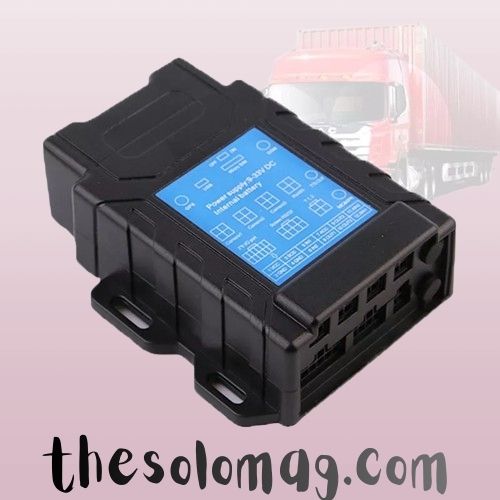
That quiet tension between wanting to know and respecting privacy is something we all navigate. And at the heart of that tension sits one small but powerful piece of technology: the tracqueur.
Now, before you scroll past thinking this is another tech-heavy guide filled with jargon, hang tight. The word “tracqueur” (often spelled “tracker” in English) carries more weight—and more history—than you might realize. It’s a word that bridges ancient hunting traditions, modern GPS innovations, and even human psychology.
Whether you’re a small business owner trying to protect your fleet, a parent seeking peace of mind, or just someone who loses their keys three times a week, understanding traqueurs is no longer optional. It’s essential.
What Exactly Is a Tracqueur? Unpacking the Term
Let’s start with the basics. The word tracqueur (sometimes misspelled as “tracqueur” or anglicized as “tracker“) has deep roots in the French language, but its meaning has evolved dramatically over centuries.
The Original Tracqueur: Hunter and Pathfinder
Historically, a tracqueur was a person—specifically, a hunter or beater employed to drive game out of hiding. Picture this: dense forests in 18th-century France, the sound of rustling leaves, and skilled trackers moving silently through the underbrush, accompanied by highly trained tracqueur dogs .
These individuals possessed an intimate knowledge of the land. They could read broken twigs, disturbed soil, and animal droppings like we read street signs today. They were the original survival experts, and their skills were passed down through generations.
The Surprising Psychological Twist
Here’s where it gets interesting. In 19th-century French slang, the same word took on a completely opposite meaning. A tracqueur could also describe someone who had “le trac”—meaning stage fright or intense anxiety. So the same term described both the relentless pursuer and the one paralyzed by fear.
Real-life example: “Before every major presentation, Jean becomes a complete tracqueur. He paces, checks his notes obsessively, and nearly talks himself out of the conference room.”
This duality isn’t just a linguistic curiosity. It perfectly mirrors how we interact with tracking technology today. We use tracqueurs to chase down information, yet we can become anxious without them.
The Modern Revolution: Tracqueur GPS Explained
Fast forward to 2026, and when someone says tracqueur, they’re almost certainly talking about a small electronic device. The tracqueur GPS has quietly become one of the most ubiquitous technologies in modern life.
How Does a GPS Tracqueur Actually Work?
Despite the complexity of the technology, the basic principle is beautifully simple.
-
Step 1: Satellite Connection – The device communicates with a network of at least 4 satellites orbiting Earth. By measuring the time it takes for signals to travel, it calculates its exact position .
-
Step 2: Data Transmission – Once the location is known, the tracqueur sends that information via cellular networks (4G/5G) or satellite links to a central server .
-
Step 3: You See It – Finally, that data appears on your smartphone, tablet, or computer dashboard—usually as a dot on a familiar map interface.
No magic. Just math, physics, and clever engineering.
Types of Tracqueurs for Every Need
Not all tracqueurs are created equal. Choosing the right one depends entirely on what—or who—you want to track.
-
Vehicle Tracqueurs: Hardwired into a car’s electrical system or plugged into the OBD-II port. Perfect for fleet management, theft recovery, and monitoring teenage drivers. They offer real-time updates and often include geofencing alerts .
-
Personal Bluetooth Tracqueurs: Small, battery-powered tags you attach to keys, wallets, or backpacks. They rely on your phone’s connection and community networks (like Apple’s Find My) to report their location. No subscription fees.
-
Asset Tracqueurs: Rugged, weatherproof devices designed for shipping containers, construction equipment, or even livestock in remote pastures. Long battery life and durable casings are non-negotiable here.
-
Pet Tracqueurs: Lightweight collars or tags that let you know if Fido has escaped the yard. Some use GPS; others use radio frequency or Bluetooth.
Real-Life Example: Sarah the Freelance Photographer
Meet Sarah. She’s a successful freelance photographer who spends half her week driving to client locations and the other half editing in coffee shops.
“Before I started using a tracqueur, my life was chaos,” Sarah admits. “I once left a $3,000 lens in a park. Another time, my car was stolen from outside a wedding venue. Now, I have a small Bluetooth tag in every camera bag, and a hardwired GPS tracqueur in my van.”
The benefits? “I can tell anxious brides exactly when I’ll arrive. I get alerts if my gear moves without me. And for taxes, my mileage logging is automatic. The tracqueur pays for itself in peace of mind alone.”
For Sarah, the device isn’t about surveillance—it’s about security, efficiency, and reducing anxiety. It turns her from a psychological tracqueur (worried) into a capable professional.
Legal and Ethical Boundaries in 2026
With great tracking power comes great responsibility. In 2026, the legal landscape around tracqueurs is clearer than ever, shaped by high-profile privacy cases and evolving regulations.
For Employers: Know the Rules
If you run a business and want to track company vehicles or equipment, you must navigate strict guidelines to remain compliant and trustworthy.
-
Declared Purpose: You need a legitimate, documented reason—safety, logistics optimization, theft prevention. Micromanaging employees’ lunch breaks doesn’t count .
-
Informed Consent: Employees must be clearly informed they’re being tracked. This means written policies, consultations with worker representatives, and transparent communication.
-
Data Limits: You can’t hoard location data forever. Privacy authorities recommend deleting this information after a short, justifiable period—typically a few months.
Related: [How to Create a Legally Compliant Employee Monitoring Policy]
For Individuals: Privacy Cuts Both Ways
Using a tracqueur to find your lost phone is perfectly fine. Using one to secretly follow your ex-partner is a serious crime. The rise of “stalking apps” and misuse of Bluetooth tags has forced lawmakers to act.
-
Cross-Platform Alerts: Both Apple and Google now automatically alert smartphone users if an unknown tracqueur is moving with them—a direct response to safety concerns .
-
Criminal Penalties: Planting a tracqueur on someone’s car or in their belongings without consent is explicitly illegal in most jurisdictions, carrying heavy fines and potential jail time.
Tracqueur and Mental Health: The Anxiety Paradox
Remember the second definition—the anxious person? Modern tracking technology has a strange way of turning us into exactly that.
-
The Loss Anxiety Cycle: You buy a tracqueur to stop losing things. But soon, you find yourself anxiously checking the app whenever your keys aren’t in their usual spot. The solution becomes a new source of stress.
-
Digital Parenting Dilemma: A GPS tracqueur in a child’s smartwatch can give parents genuine peace of mind. But constant checking can fuel parental anxiety and erode trust as children grow. It’s a delicate balance.
-
Workplace Pressure: Knowing your every move in a company vehicle can feel suffocating. Even well-intentioned tracking can harm morale if managers lack empathy.
The healthiest approach? Use tracqueurs as tools, not crutches. Let them reduce fear, not amplify it.
Choosing the Right Tracqueur: A Practical Guide
With hundreds of options on the market, how do you choose? Ask yourself these four questions:
-
What are you tracking? A car, a pet, a suitcase, a person? Each requires different features.
-
Where will it be used? Urban areas with good cell coverage? Remote wilderness? Indoors? This determines whether you need GPS, Bluetooth, or radio frequency.
-
How long does the battery need to last? Days? Months? Years? This affects size and cost.
-
What’s your budget? Factor in both the device cost and any monthly subscription fees.
The Future of Tracqueurs: What’s Next?
By 2026, the technology has matured, but innovation hasn’t stopped. Expect to see:
-
AI Integration: Smarter tracqueurs that learn patterns and alert you to anomalies—like your car moving at 2 AM when you’re always home.
-
Energy Harvesting: Devices that recharge from motion, solar power, or body heat, eliminating battery anxiety.
-
Tighter Privacy Regulations: Ongoing evolution of laws to balance security with personal freedom.
FAQs
Q:1 What’s the difference between a tracqueur GPS and a Bluetooth tracker?
A GPS tracqueur uses satellites to find its location and works anywhere with a clear sky, but usually needs a subscription. A Bluetooth tracker relies on your phone’s connection and community networks—no subscription, but limited range unless other phones are nearby.
Q:2 Can a tracqueur be detected?
Some can. Professional “bug detectors” exist, but they’re expensive. Phone alerts about unknown trackers are now common for Bluetooth tags.
Q:3 How long does the battery last?
From one year (Bluetooth tags) to indefinite (hardwired vehicle trackers) to days (high-performance portable GPS units). It depends entirely on the device and settings.
Q:4 Is it legal to put a tracqueur on my car?
Yes, if you own it. If you lease or finance, check your contract. You cannot legally track someone else’s vehicle without consent.
Q:5 Can my employer track me after work hours?
Generally no, unless you’re using a company vehicle with a tracker that can’t be disabled. Clear policies should define boundaries.
Q:6 What’s geofencing?
A virtual fence you draw on a map. When the tracqueur enters or leaves that area, you get an alert. Great for knowing when kids arrive at school or equipment leaves a job site.
Q:7 Are fitness trackers privacy risks?
They collect sensitive health data. Always read the privacy policy to understand how your information is stored and shared.
Q:8 What’s the best tracqueur for a dog?
For homebodies, a lightweight Bluetooth tag works. For adventurers, a GPS tracker with cellular connectivity is safer, though pricier.
Q:9 How accurate is GPS tracking?
Typically within 3–5 meters under open sky. Accuracy drops near tall buildings, dense trees, or indoors.
Q:10 Do I need a subscription?
Bluetooth tags—no. Most GPS tracqueurs—yes, for cellular data transmission.
Q:11 Can tracqueur evidence be used in court?
Yes, if obtained legally. Evidence from a properly installed tracqueur can be admissible in divorce, criminal, or civil cases.
Q:12 What if the company behind my tracker goes bust?
If the cloud service shuts down, your device may become useless. Choose established companies with solid track records.
Q:13 Can I track someone without them knowing?
No. It’s illegal and unethical. Modern phones even alert users to unknown trackers traveling with them.
Conclusion
The tracqueur has journeyed from the hunter’s path through the forest to the satellite networks orbiting our planet. Today, it’s a tool that can protect what we love, optimize our work, and even calm our fears.
But like any powerful tool, it demands respect. We must use tracqueurs wisely—respecting privacy, understanding legal boundaries, and maintaining our own mental health. The goal isn’t to track everything. It’s to track what matters, and let the rest go.
FOR FURTHER INFORMATION, VISIT: THESOLOMAG