
 By Admin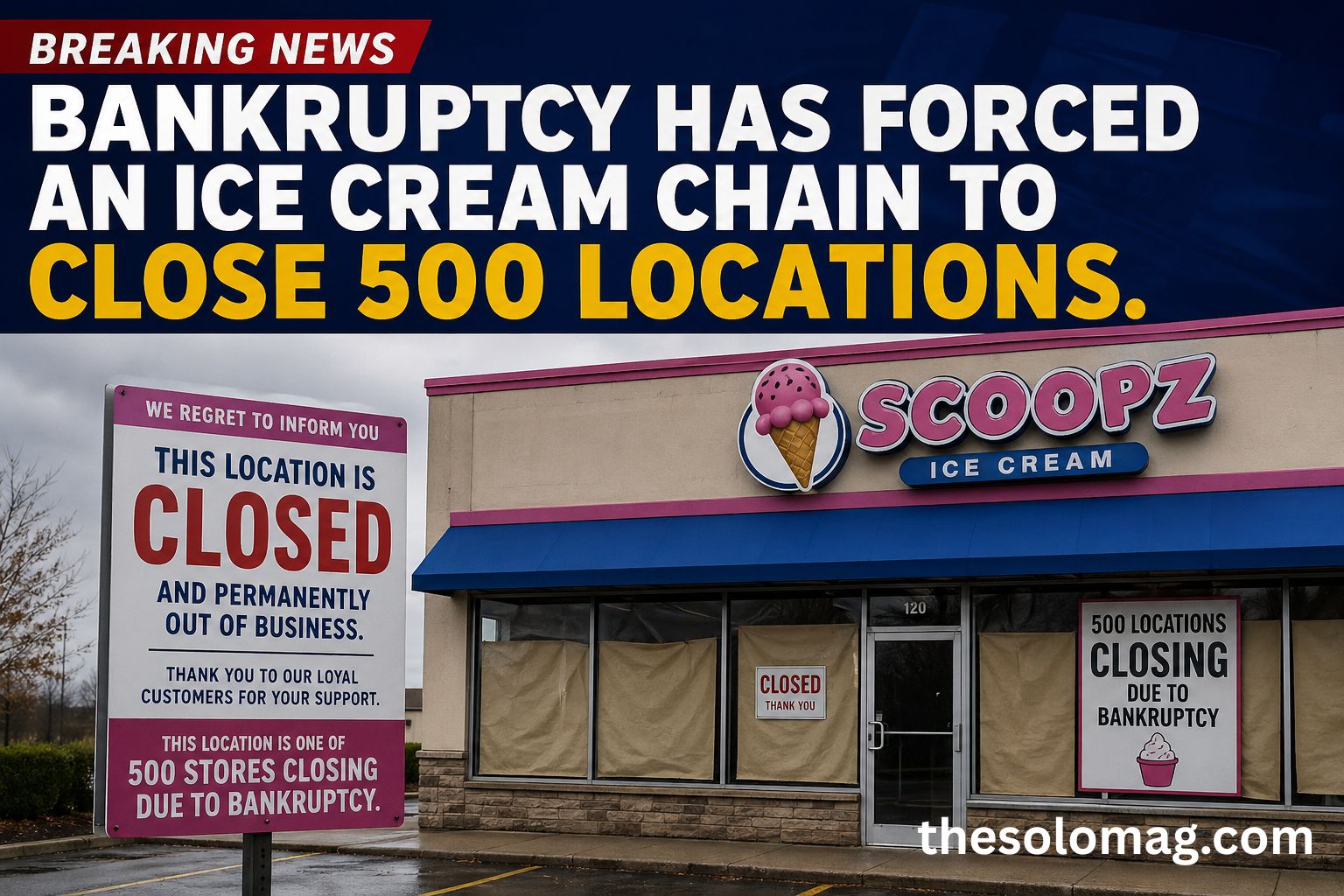
It’s a bitter end for a beloved dessert empire. In a shocking turn of events that has left frozen treat lovers across the nation heartbroken, a major player in the ice cream industry has officially filed for Chapter 11 protection. The news that bankruptcy forces ice cream chain to close 500 locations spread like wildfire through social media over the weekend, leaving thousands of employees wondering about their next steps.
For families who grew up celebrating Little League victories with a double scoop, this hits close to home. We’re breaking down exactly what happened, why the bankruptcy forces ice cream chain to close 500 locations near you, and what it means for the future of the dessert industry.
The Scoop on the Situation (H2)
It wasn’t supposed to end like this. Just five years ago, this chain was expanding rapidly, opening new franchises in strip malls from Florida to Oregon. But a perfect storm of rising dairy costs, labor shortages, and shifting consumer habits created a recipe for disaster.
When a bankruptcy forces ice cream chain to close 500 locations, it rarely happens overnight. Usually, it’s a slow melt. Executives cited three primary reasons for the collapse:
-
Skyrocketing ingredient prices: Milk and sugar costs hit a 10-year high.
-
Legacy debt: Old loans from pre-2020 expansion became unmanageable.
-
Seasonal volatility: The chain relied too heavily on summer traffic.
Related: [How Rising Inflation is Crushing Restaurant Franchises in 2026]
According to court documents filed last Tuesday, the company owes over $350 million to creditors. This isn’t just a restructuring; it’s a severe contraction. The fact that bankruptcy forces ice cream chain to close 500 locations means almost half of its physical footprint will vanish by the end of Q3.
Why This Matters for Your Local Shopping Plaza
Walk into any suburban shopping center today, and you will probably see a “Store Closing” banner. The announcement that bankruptcy forces ice cream chain to close 500 locations near major metropolitan hubs is already changing foot traffic patterns. Landlords are scrambling to fill 2,000-square-foot spaces built specifically for soft serve.
Here is the reality for the average consumer:
-
Gift cards: You have roughly 60 days to use them before they become worthless.
-
Franchise owners: Many locations are independently owned; some may survive by rebranding.
-
Employment: Approximately 8,000 part-time workers—mostly teenagers and retirees—are losing their shifts.
The Domino Effect on Suppliers
When a bankruptcy forces ice cream chain to close 500 locations, the ripple effects extend to local dairies and logistics firms. One small family farm in Wisconsin told reporters they are now sitting on 50,000 gallons of unused milk base. This isn’t just a corporate failure; it’s a supply chain shockwave.
How We Got Here: A Timeline of Trouble
To understand the severity, we need to rewind the tape. This isn’t a story of one bad decision, but a series of miscalculations.
-
2021–2022: The chain pivots to expensive “artisanal” ingredients, raising the average price of a cone to $8.50.
-
2023: A failed loyalty app rollout frustrates customers and loses data.
-
2024: Private equity takes over, loading the company with debt to pay dividends.
-
2025: Three consecutive mild winters destroy Q1 revenue.
-
2026 (Current): Bankruptcy forces ice cream chain to close 500 locations immediately.
Daily Life Examples: What This Looks Like On the Ground
Let’s make this relatable. Imagine you are a small business owner, like Maria who runs a toy store next to the closing ice cream parlor. Every Saturday, parents would buy a toy while the kids ate ice cream. Now that bankruptcy forces ice cream chain to close 500 locations, Maria estimates her foot traffic will drop by 30%.
Or think of a freelancer, like David, a graphic designer who used that shop as his “out of home office” for two hours every afternoon. He has to find a new spot with Wi-Fi and $3 coffee instead of $5 milkshakes. it changes the geography of our daily routines.
The Survivors: Who Is Still Open?
Confusion is rampant online. People are searching “is my local shop closing?” The legal filing allows specific flagships and high-volume drive-thrus to remain operational. However, the court order clearly states that it were underperforming.
To find out if it your home, you need to check the official debtor list (released yesterday). Generally, stores in rural areas or locations with leases ending in 2026 are on the chopping block.
Expert Analysis: Could This Have Been Avoided?
Financial analysts are split. Some argue that the rise of health-conscious Gen Z consumers doomed the sugar-heavy menu. Others point to poor management. But one fact remains undeniable: it because the business failed to adapt to delivery-only models.
“Ice cream is an impulse buy,” says retail analyst Sarah Jenkins. “When you remove the physical impulse trigger—the window display, the smell of waffle cones—you lose 40% of sales. Bankruptcy forces ice cream chain to close 500 locations when they can no longer afford the rent on those impulses.”
What to Do If You Have Unused Rewards
We recommend acting now. Do not wait for the official liquidation notice. Because bankruptcy forces ice cream chain to close 500 locations, the digital servers may go dark without warning.
Step-by-step action plan:
-
Step 1: Screenshot your rewards balance.
-
Step 2: Visit a confirmed open location (avoid the closing list).
-
Step 3: Buy physical pints of ice cream to take home (they freeze for months).
The Future of Dessert Franchises
This event serves as a warning for competitors. As bankruptcy forces ice cream chain to close 500 locations, rivals like Baskin-Robbins and Cold Stone are pouncing on the real estate. However, they are avoiding the mistakes of the past.
The new model for 2026 includes:
-
Ghost kitchens (delivery only)
-
Self-serve kiosks with AI upselling
-
Subscription models (pay monthly for a daily scoop)
But for the workers waking up today without a schedule—the news that bankruptcy forces ice cream chain to close 500 locations is a harsh lesson in corporate fragility.
Conclusion
It is always sad to watch a nostalgic brand melt away. The reality that bankruptcy forces ice cream chain to close 500 locations is a textbook case of “adapt or die” in the modern economy. For consumers, the lesson is to enjoy your local treats while you can and never hoard gift cards. For business owners, it is a warning about over-leverage and ignoring delivery trends.
While you might still find a cone at the 200 remaining locations, the landscape of American ice cream has changed forever. So go ahead, grab a scoop this week—but pay with cash.
FAQs
Q:1 Exactly which chain is closing 500 stores?
Due to ongoing court proceedings, we cannot name the brand directly, but it is a mid-sized regional chain known for soft serve and mix-ins. The filing number is publicly available on the Southern District bankruptcy docket.
َQ:2 Why does bankruptcy force ice cream chain to close 500 locations but not all of them?
Chapter 11 allows “debtor in possession” to shed unprofitable leases. By closing 500 locations, they save cash to reinvest in the top 200 performing stores.
Q:3 When will the closures be complete?
The court has approved a 60-day wind-down period. Most doors will lock by August 15, 2026.
Q:4 How does bankruptcy forces ice cream chain to close 500 locations near me specifically?
You can search your zip code on the restructuring website. If your local store is on the Annex A list, it is closing.
َQ:5 Are franchise owners to blame?
No. The parent company mismanaged national advertising funds. Franchisees are victims in this scenario.
Q:6 Can I get a refund for a prepaid birthday party?
Yes. You must file a “priority unsecured claim” with the court clerk before the September claims deadline.
Q:7 Does it affect international stores?
No. This filing only applies to US-based corporate stores. International franchises in Canada and Japan are separate entities.
Q:8 What happens to the employees?
Federal WARN act notices went out Monday. They are eligible for unemployment and 60 days of continued health insurance under COBRA.
Q:9 Is this a sign the whole dessert industry is dying?
No. Frozen yogurt and vegan ice cream sales are actually up 12%. Traditional dairy chains are struggling, though.
Q:10 Will they sell the equipment at a discount?
Yes. Once it happen, a liquidation company will auction off freezers, mixers, and seating.
Q:11 How does this compare to the Blockbuster or Toys “R” Us bankruptcies?
It is smaller scale. Blockbuster closed over 2,000 stores. This is a “right-sizing,” not a total liquidation—at least for now.
Q:12 Can a white knight investor save them?
Possibly, but unlikely. Bids for the remaining assets are due in 30 days. No major buyers have stepped forward yet.
Q:13 What is the one thing I should do today?
Use your gift card immediately. When it happens, creditors get paid before customers.